
The Mariana Islands were one long before foreign flags ever flew over these waters. Years ago, while covering news on Saipan, I sat in a humid lecture hall as historian Don Farrell mapped out what it would take to bring them back together. His verdict was blunt: reunification would take a legal coup and a rare brand of political backbone.
I came across an old clipping of that story recently, and the core problem hasn't aged a bit.
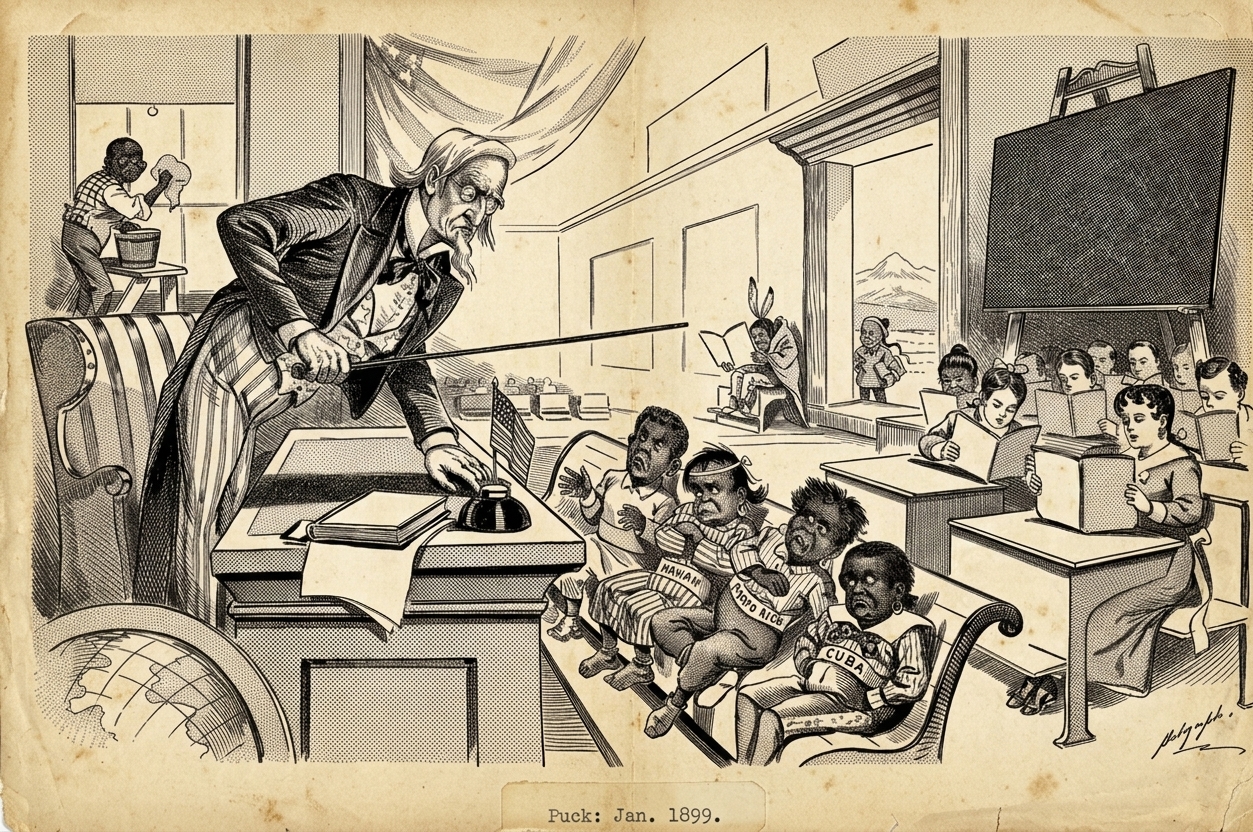
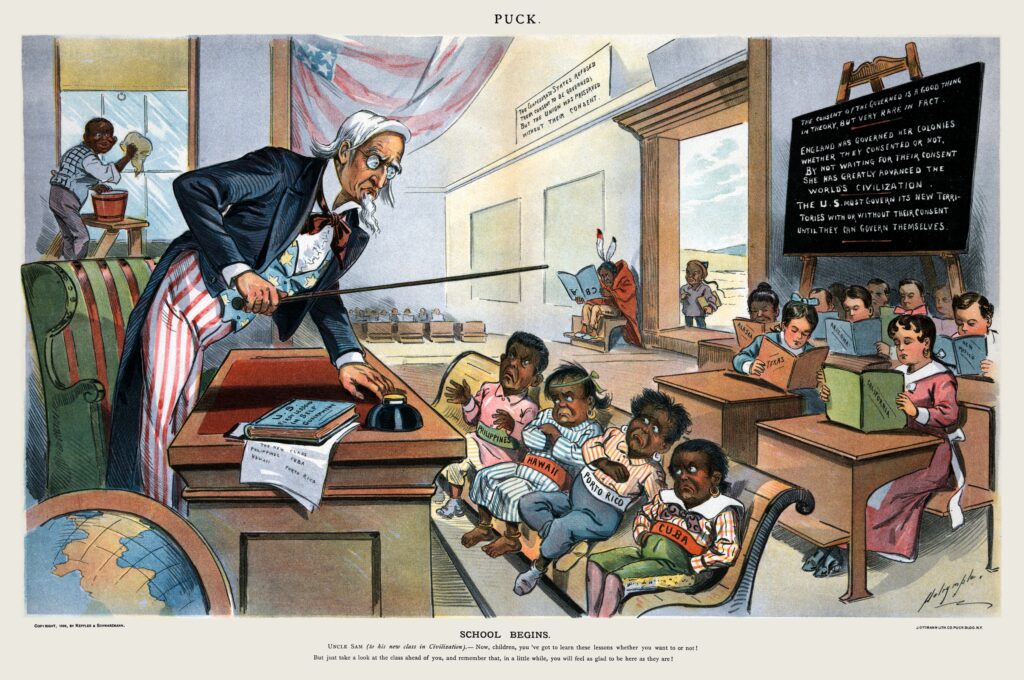
The trouble goes back to 1898. After the Spanish-American War, Washington took Guam under the Treaty of Paris, while Spain sold the Northern Marianas to Germany. That single transaction severed one population down the middle—a move Farrell called one of America’s chief historical blunders.
Today, both Guam and the Northern Marianas live in the legal halfway house of unincorporated territories. Residents hold blue American passports, though by statutory acts of Congress rather than the 14th Amendment due to the century-old Insular Cases. It makes for a strange reality: local families take great pride in sending their sons and daughters to serve in the U.S. armed forces, yet when presidential elections roll around, the island ballots feature no line for Commander-in-Chief.
Still, their paths diverged. Guam got its structure handed down from Washington through the Organic Act of 1950. The Northern Marianas negotiated its own Covenant in the 1970s, establishing a commonwealth and drafting its own constitution. Because of that, Farrell laid the next step right on the southern island.
"The ball is really in Guam’s court," he said, noting that Guam must adopt its own constitution before talk of merging can begin.
The argument for statehood comes down to basic equity. If you follow federal law and serve in the military, having congressional representation and a presidential vote seems like a natural fit. Yet hesitation on the ground is real. Standard constitutional scrutiny under statehood could challenge local laws that reserve land ownership for indigenous Chamorros and Carolinians—safeguards meant to keep ancestral soil in local hands. In Washington, leaders balk at granting two Senate seats to a population the size of a single mainland city.
Still, numbers carry weight. A single island standing alone in the Pacific is easy to overlook; a unified chain of two hundred thousand citizens is much harder to ignore.
Whether that reunion ever happens isn't something to be decided in a D.C. hearing room. It belongs across kitchen tables and under beach canopy trees across the islands. Looking back at that old clipping, it strikes me that while treaties drew the lines, the conversation about the future still belongs to the people who call those shores home.