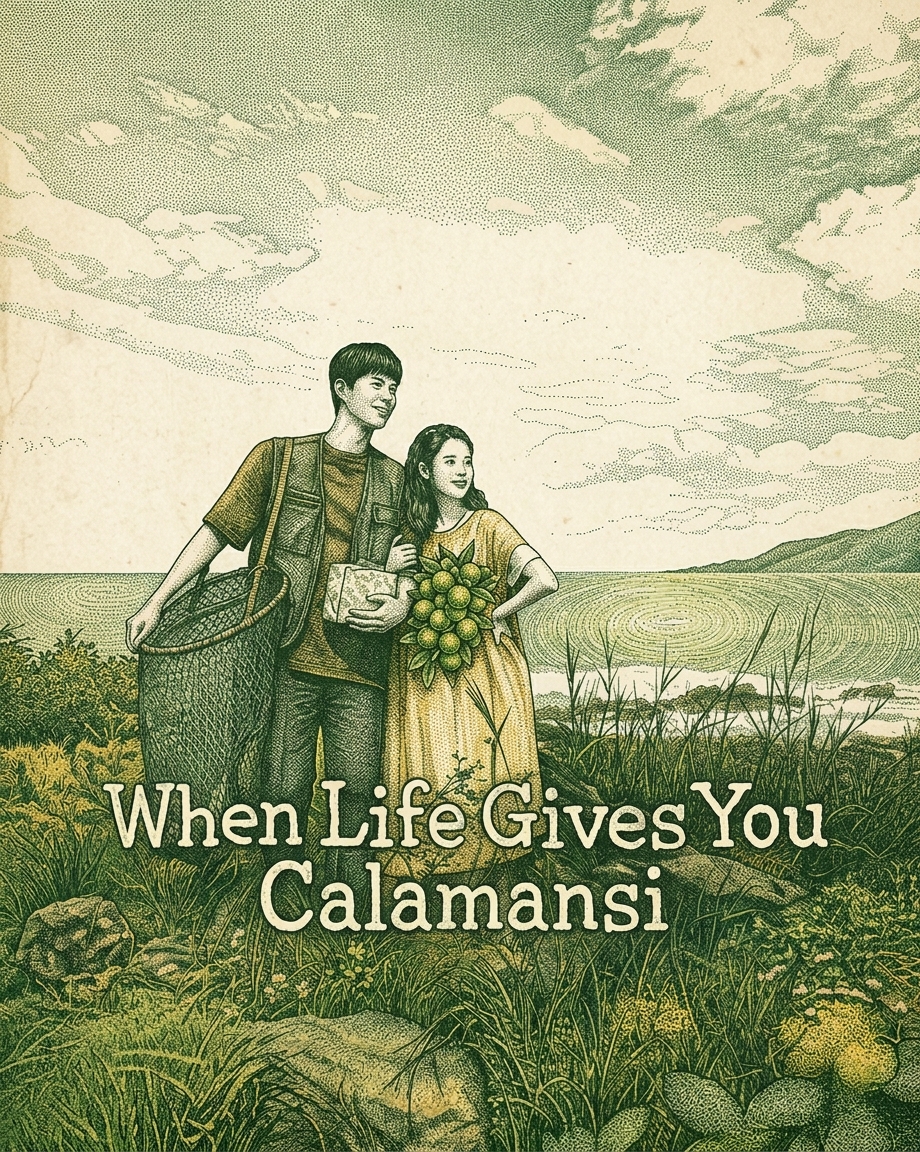
Watching "When Life Gives You Tangerines" is a risky proposition. You expect a gentle Korean drama about island life. Before the episode ends, you are staring at the ceiling, auditing your choices, and wondering why your story looks less like a sun-drenched grove and more like a backyard calamansi tree: small, thorny, and stubborn.

Recent entries
All 16 →The Islands and the Flag
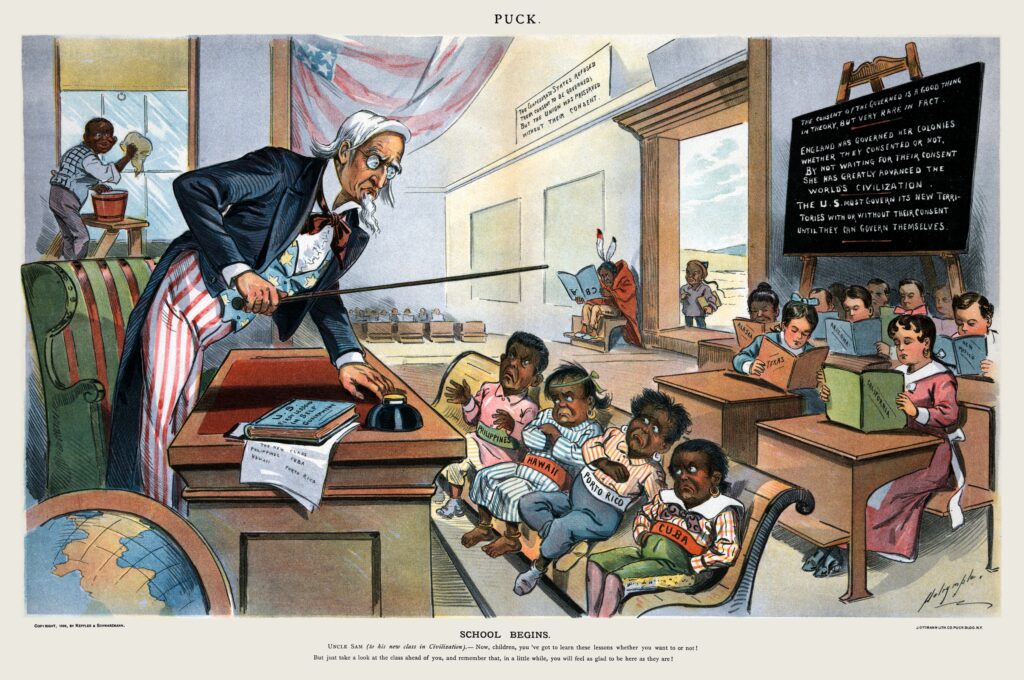
The Mariana Islands were one long before foreign flags ever flew over these waters. Years ago, while covering news on Saipan, I sat in a humid lecture hall as historian Don Farrell mapped out what it would take to bring them back together. His verdict was blunt: reunification would take a legal coup and a rare brand of political backbone.
Two Paths from the Carolines
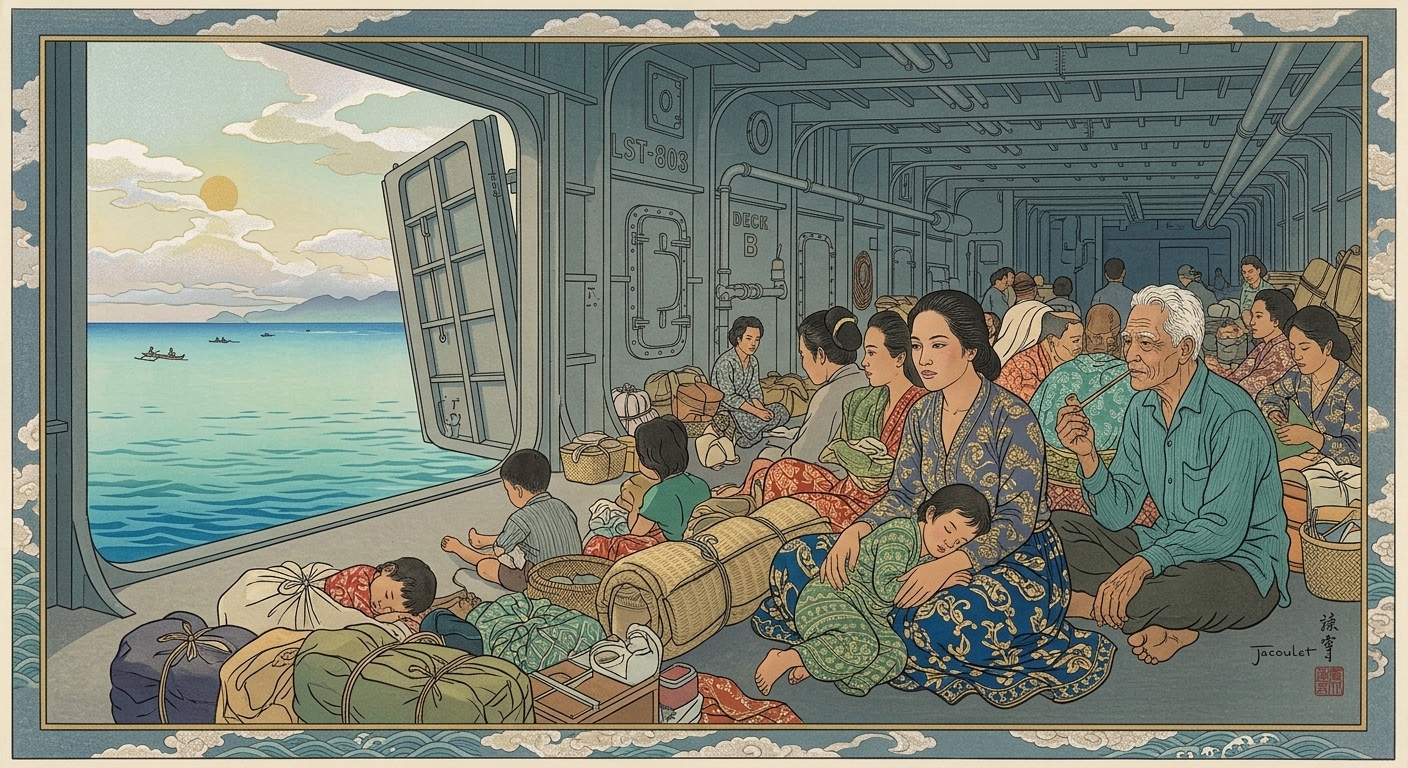
For half a century, displaced Chamorros found home on Yap—until the time came to leave, and they charted two distinct paths out of the Carolines.
What Happened to Earl Ellis?
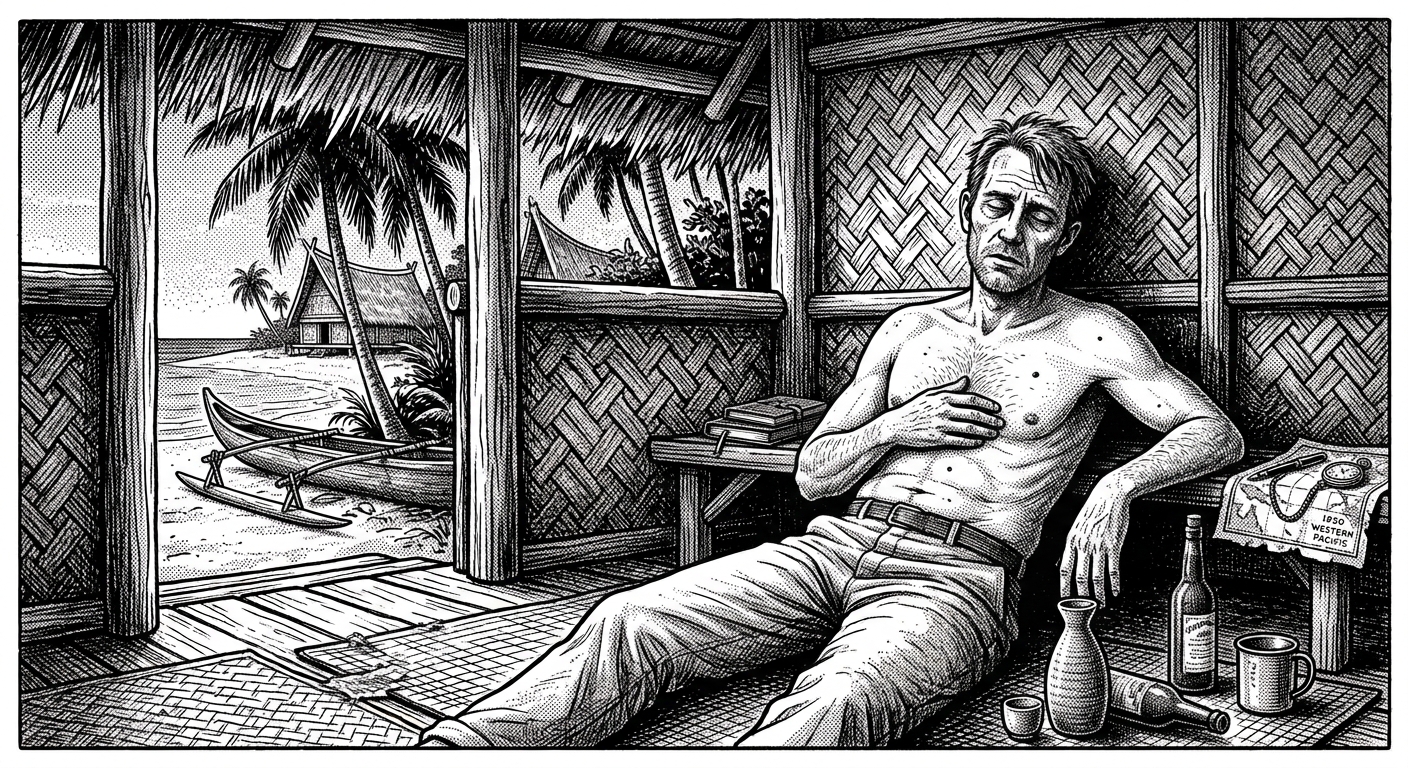
While reading Hans Hornbostel’s account of his 1920s trips to the Marianas in Philippine Magazine, a few details stood out: his work for the Bishop Museum, notes on latte stones, and the observation that a woman’s hyoid bone is usually smaller than a man's, and a eulogy for his friend, Earl.
Browse the archive
16 entries
The Islands and the Flag
The Mariana Islands were one long before foreign flags ever flew over these waters. Years ago, while covering news on Saipan, I sat in a humid lecture hall as historian Don Farrell mapped out what it would take to bring them back together. His verdict was blunt: reunification would take a legal coup and a rare brand of political backbone.
Two Paths from the Carolines
For half a century, displaced Chamorros found home on Yap—until the time came to leave, and they charted two distinct paths out of the Carolines.
What Happened to Earl Ellis?
While reading Hans Hornbostel’s account of his 1920s trips to the Marianas in Philippine Magazine, a few details stood out: his work for the Bishop Museum, notes on latte stones, and the observation that a woman’s hyoid bone is usually smaller than a man's, and a eulogy for his friend, Earl.
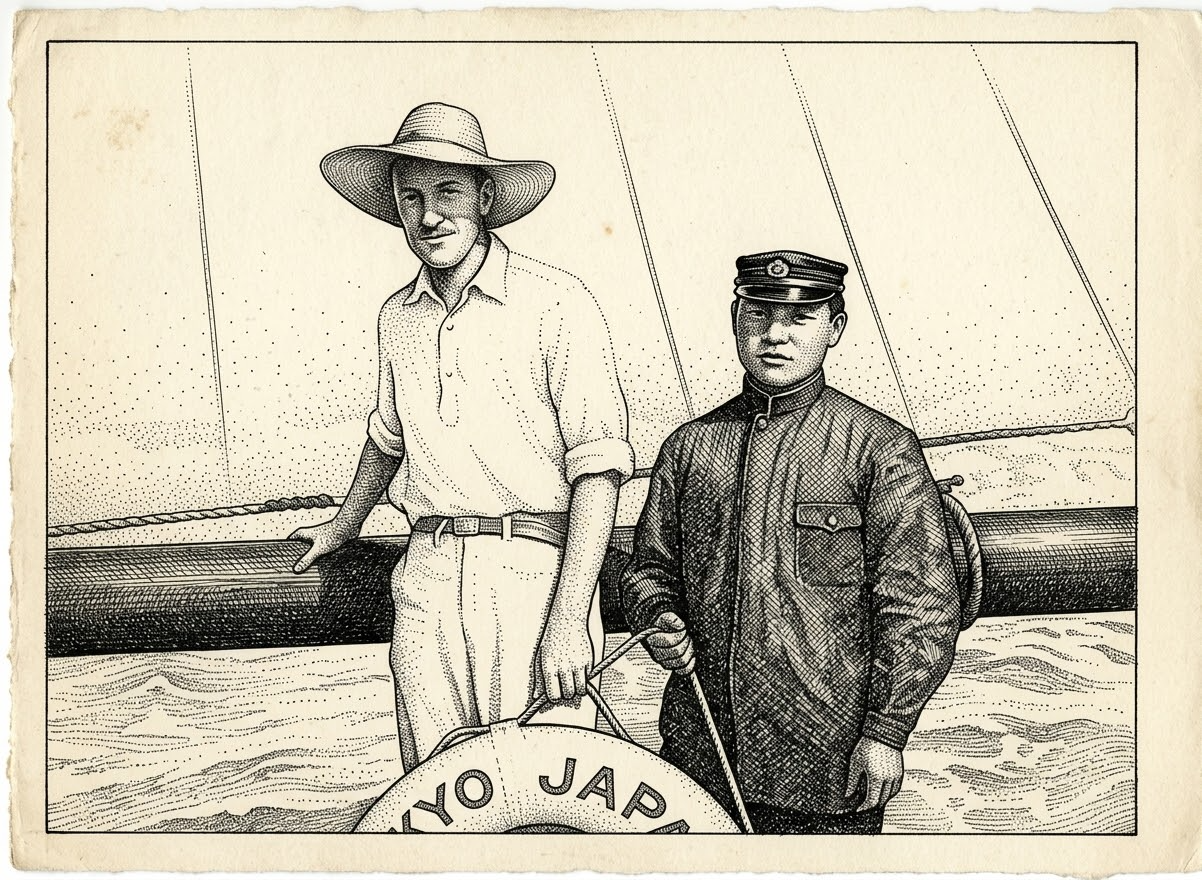
When an Archaeologist Became an Accidental Midwife
An island crossing has a way of staying with a person, especially when it takes two days longer than planned. Decades before Freedom Air or Star Marianas offered a smooth trip between the islands, the voyage felt like a life-or-death gamble, negotiating rough seas and unexpected drama en route.
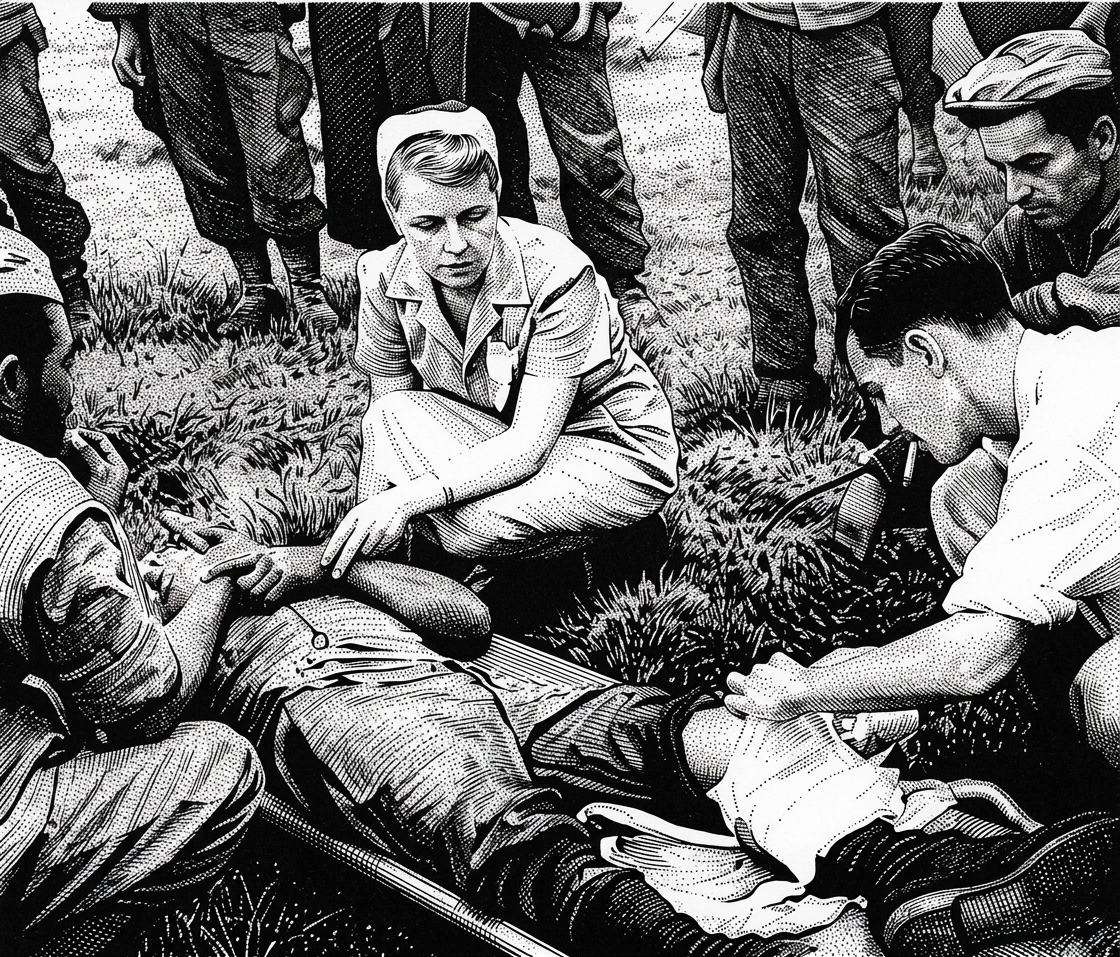
The Last Bataan Angel
They called them the Angels of Bataan—sixty-four Army nurses trapped behind enemy lines in the Philippines. Lt. Col. Madeline "Madge" Ullom survived thirty-seven months of captivity to become the last living bridge to their story.
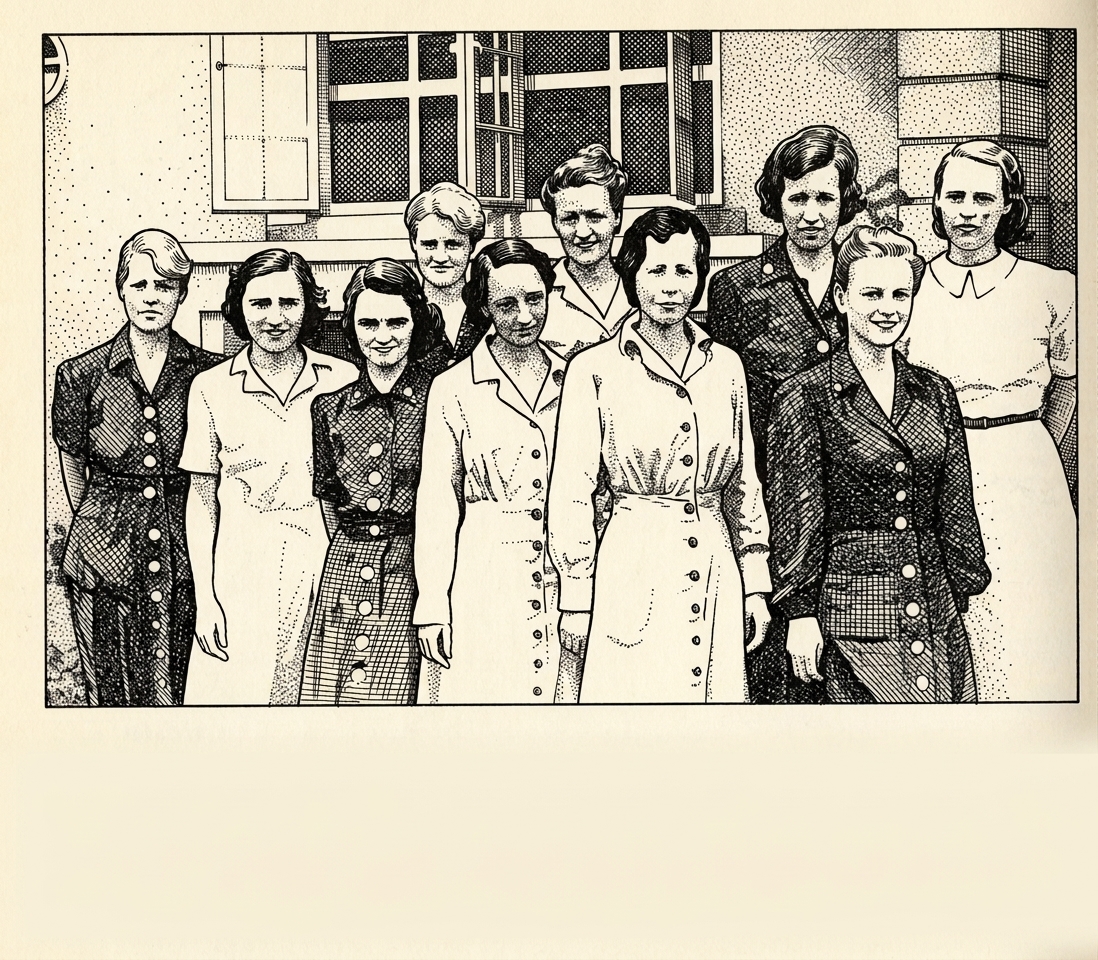
The Unbroken Eleven: Cobb & Navy Nurses
As most U.S. medical personnel evacuated to Bataan, U.S. Navy Lt. Cmdr. Laura Cobb and her ten nurses were left behind at Cañacao Naval Hospital to treat casualties from the Japanese bombing. Relocating their wards to Sternberg General Hospital and then St. Scholastica’s College, the unit maintained care until their internment at Santo Tomas in March 1942. Later transferred to Los Baños, they tended to starving prisoners until American paratroopers, soldiers, and Filipino guerrillas rescued them on February 23, 1945.
About this journal
Ditse.online is a quiet collection of personal reflections, cultural memory, and everyday histories. Free of academic jargon, the site explores lived experiences, overlooked stories, and the quiet threads that connect the Philippines, the Pacific, and the places in between.
From notes on long-remembered locations to essays on newsroom days and identity, these pieces aim to look closely at the past with a clear eye and a steady voice.
One entry a fortnight, straight to you.
No newsletter voice, no roundups, no forwarding your address to anyone. The whole entry arrives as it appears here — leave whenever you like, one click.
A confirmation is on its way. Click the link inside it and you are on the list — nothing arrives until you do.