
That tranquility lasted six months. On December 8, 1941, hours after Pearl Harbor, Japanese bombers struck nearby Clark Field. Blaine was bending over to tie her shoe when the first detonations shook the quarters. "I raised my leg on the ottoman to tie up my shoelace when I heard a very loud thud," she said. "I knew this was the beginning of war for us." In the scramble to duty, she grabbed the one item she refused to abandon: "I had to have my lipstick and my powder and my comb with me."
What followed was a harrowing, months-long retreat. Evacuating to Manila on Christmas Eve—crawling into a twelve-inch culvert to escape strafing runs—she helped establish jungle hospitals at Limay and Little Baguio during the siege of Bataan. When Bataan fell in April 1942, she escaped to Corregidor, where she was selected as one of twenty nurses slated for air evacuation to Australia.
Flight took her as far as Mindanao, where her PBY amphibious plane struck a submerged rock while refueling on Lake Lanao. The fuselage flooded—despite a colleague’s frantic attempt to plug the tear with a tennis jacket—and the aircraft was grounded. Stranded in the interior, Blaine, nine other Army nurses, and three civilian women hid on remote farms for two weeks before Japanese patrols forced their surrender on May 11, 1942.
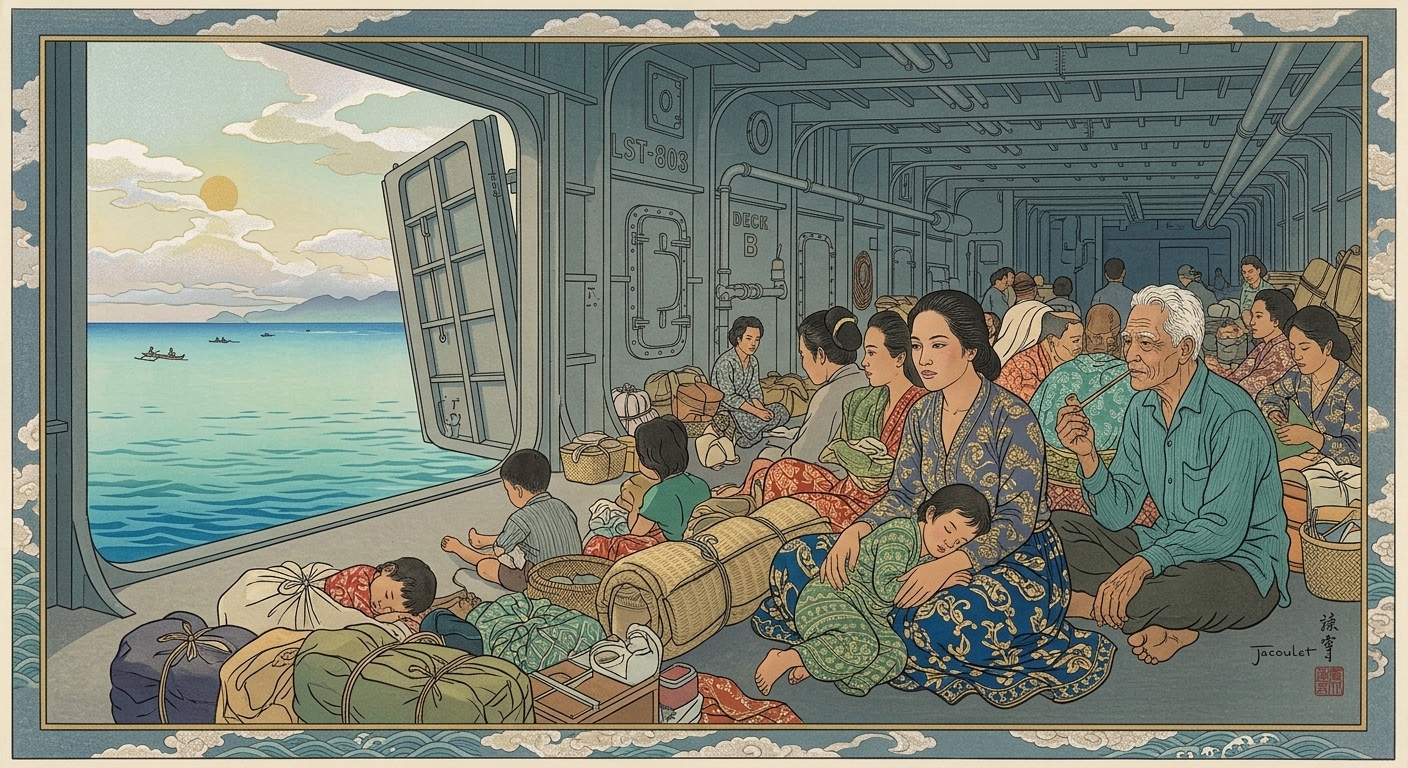
Shifted from a filthy coastal boat in Mindanao to a transport bound for Manila, Blaine struggled against recurrent bouts of malaria. Yet even amidst enemy captivity, she found unexpected humanity; when fever rendered her unable to eat, a Japanese medic brought her pills and fresh ice. "Now I call that being humane," she remembered. "It was sure compassionate. Contrary to what you would expect."
In August 1942, she arrived at the University of Santo Tomas, where she would spend thirty months as a prisoner of war. Life behind the wire was marked by grueling routine and strict self-governance. Too weakened by fever for heavy four-hour shifts, Blaine took on the relentless task of scrubbing pigeon droppings from the corrugated iron roofs. Meals consisted of cracked wheat and "wormy rice," occasionally supplemented by carabao meat or stolen rations hidden beneath shanty floorboards. "Everyone stole from the Japanese, if they could," she admitted.
Camp life brought strange social dynamics. While public displays of affection were strictly banned, the arrival of private shanties led to an unforeseen rise in the birthrate. "Every new baby meant another mouth to feed," Blaine chuckled. "Women who got pregnant weren’t very popular, and the men who got them pregnant... were put on the rice and water diet for a while. They locked them up. That was humorous."
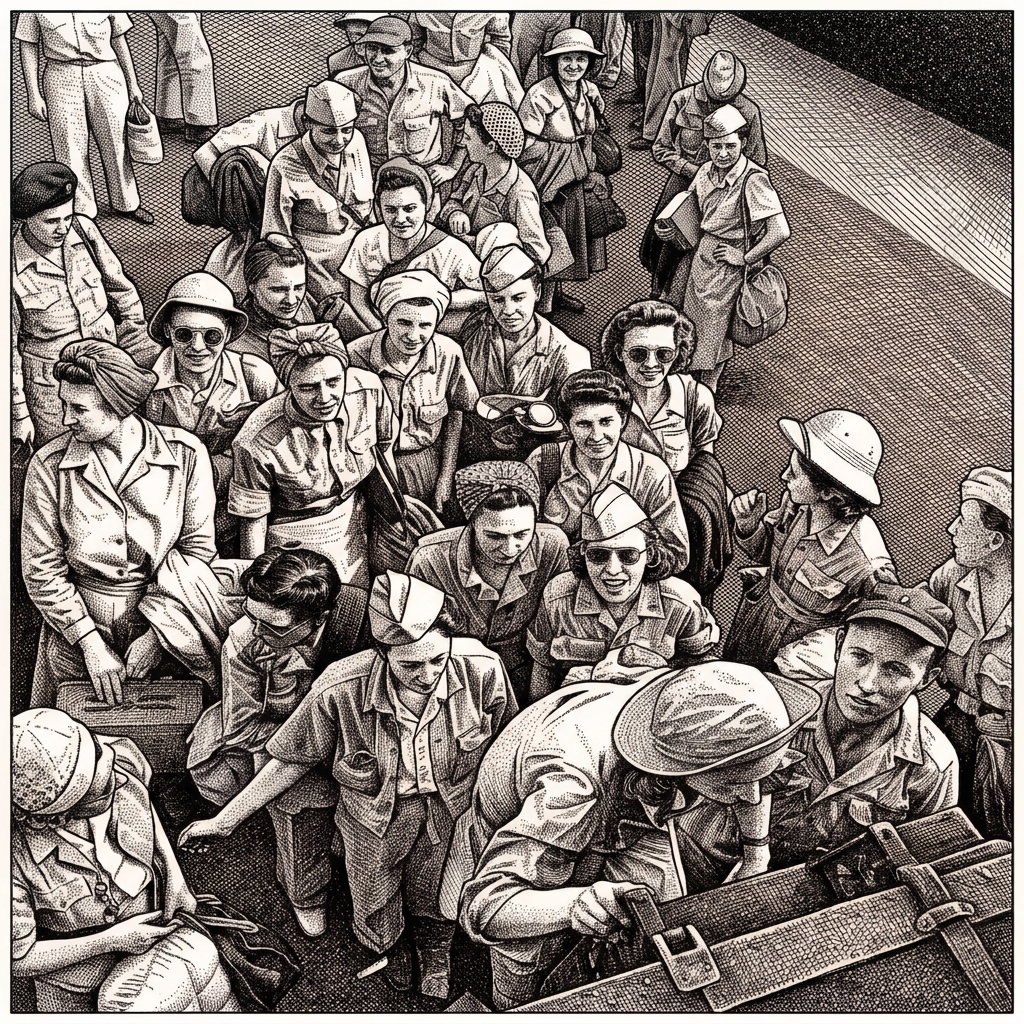
Liberation arrived dramatically on the night of February 3, 1945, when American tanks of the 1st Cavalry Division smashed through the campus gates. Evacuated by air via Leyte, Kwajalein, and Honolulu, Blaine returned to the United States and resumed her military career.
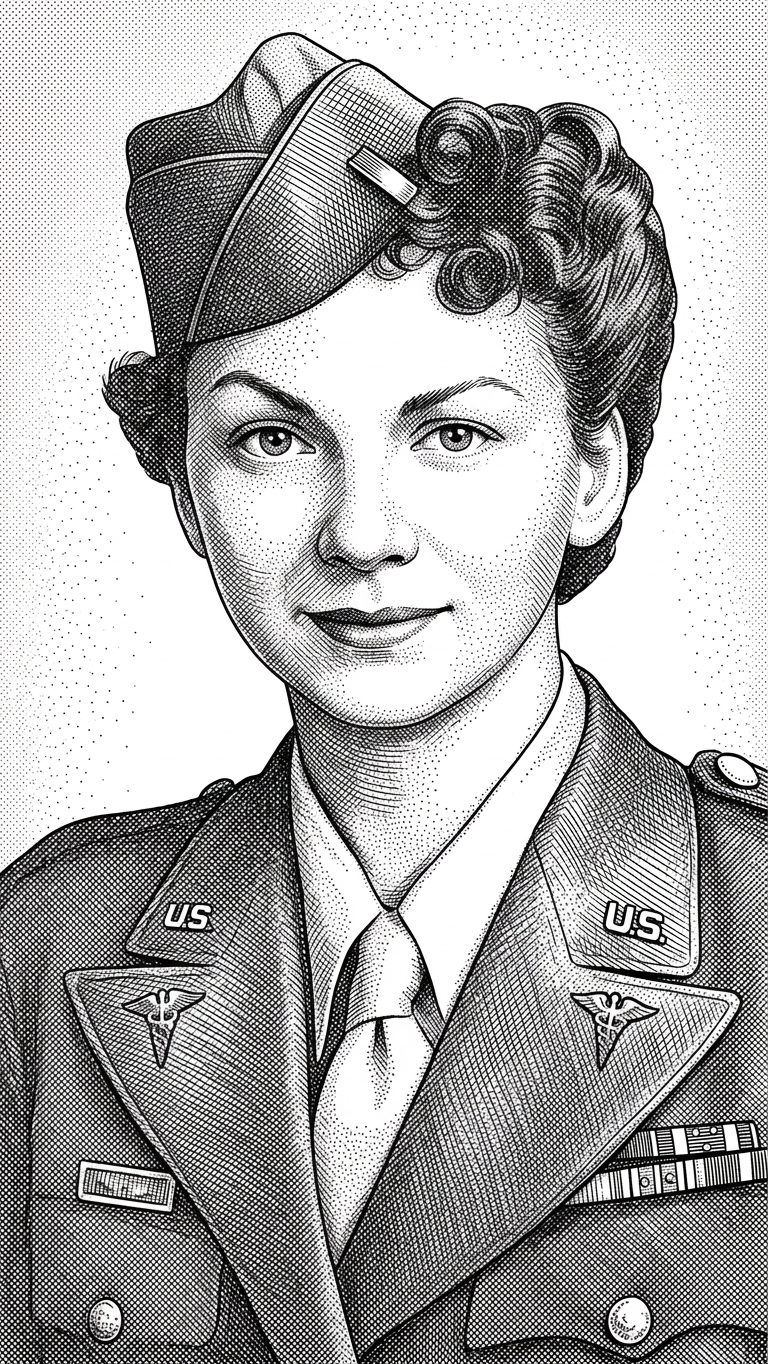
She later married fellow former prisoner of war George V. Millett Jr., a Normandy paratrooper. Captain Sally Blaine Millett passed away in 2005 at the age of 90, resting finally at Arlington National Cemetery—a long, quiet finish to a journey that had spanned the full width of the Pacific war.