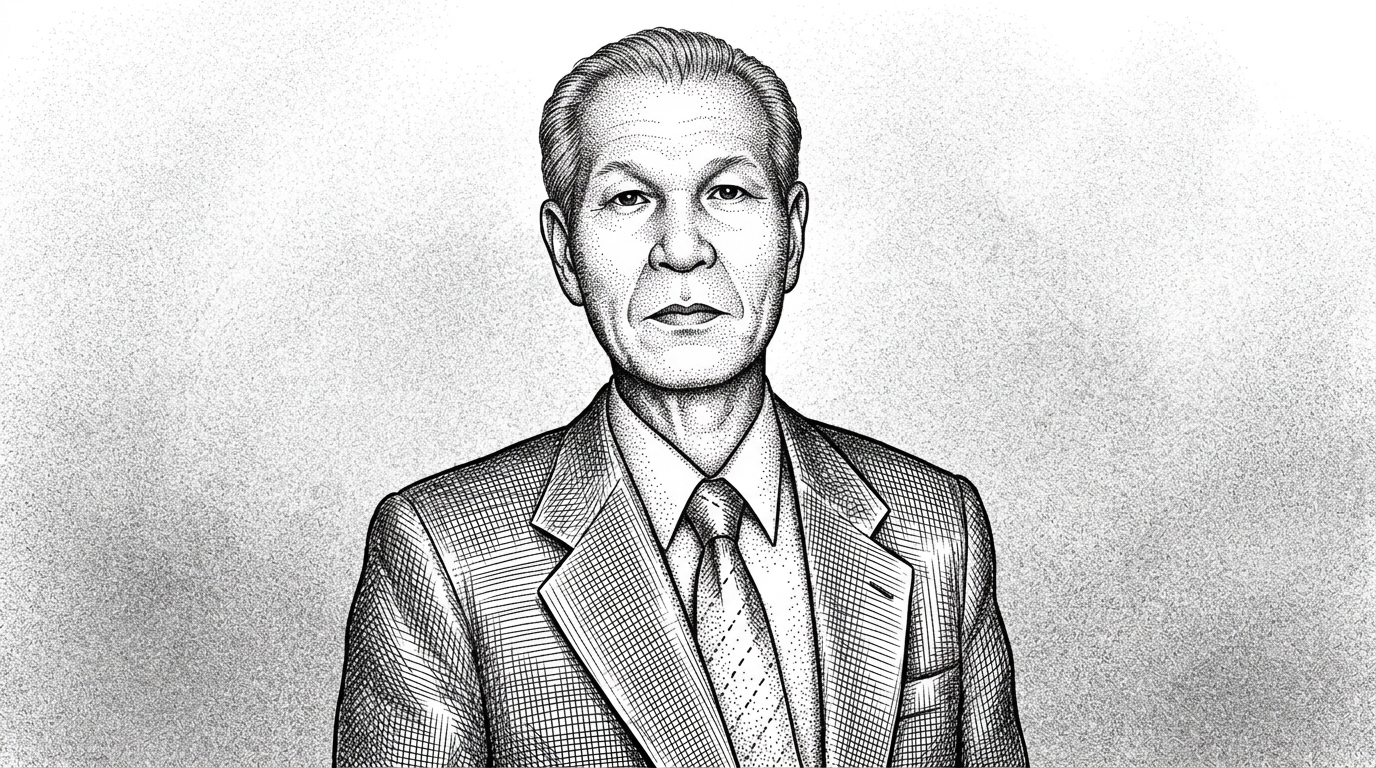

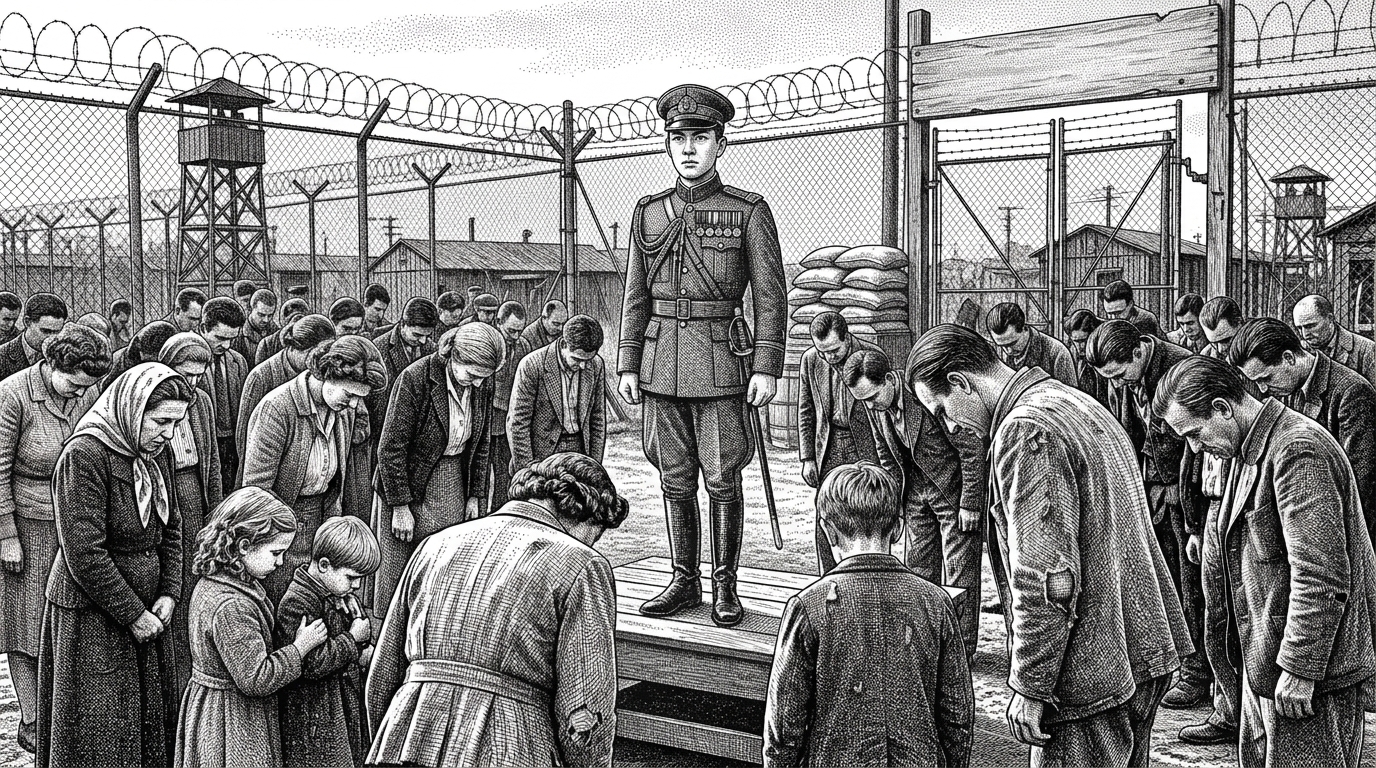
To the prisoners at Camp Holmes in Baguio City between 1943 and 1944, Tomibe was an oddity: a Japanese civilian administrator whose plain decency softened the edge of a brutal war. Those who survived the camp agreed they were lucky compared to the souls held at Santo Tomas.
Katherine Ream Sobeck, a Manila-born American interned there as a child, remembered him with clear affection. "We were fortunate in our commandants because most of them were civilians," she recalled years later. "Then we had this wonderful teacher, Rokuro Tomibe. He was the only reason we ever received a Red Cross package."
When shipments finally reached the Philippines, Tomibe went to Manila himself, bringing internee Ray Hale along around Christmas to fetch the food and mail. But he knew the Japanese military inspectors were a constant danger to the quiet life he had built for his charge. He warned the prisoners to look miserable whenever the brass came to visit. "If they see how well you appear to be doing, they are going to cut your rice ration again," he told them. "Be sure to bow and don't smile."
His time at Camp Holmes ended abruptly when two prisoners escaped. The Kempeitai—the military police—tortured three remaining internees, suspecting they had helped. Tomibe stepped in and secured their release. For his trouble, the military reassigned him to active combat. "He was a teacher," Sobeck said, "not a professional military man."
Others remembered him the same way. In her diary, internee Natalie Crouler asked a friend to say goodbye to Tomibe, noting that "if each person is an ambassador from his native land, then he has done his country a great service." James Tyson, a former executive, called him "one of the finest gentlemen I have ever known," remembering how Tomibe let prisoners borrow money from local Filipinos to buy extra food.
James Halsema, the son of Baguio’s former mayor and one of the men tortured by the police, remembered Tomibe’s quiet grace. Before he left for the front, Tomibe wrote a short poem in Halsema’s notebook, wishing for a day when enemy nations might live in peace.
That wish came back to him. After the war, testimonies from Halsema and Father Robert Sheridan saved Tomibe from the gallows during the war crimes trials. Halsema and Tomibe remained friends until Tomibe died in 1984.
In 1977, the former prisoners gathered for a reunion at the Presidio in San Francisco. Tomibe flew in from Japan to see them, giving each survivor a small, hand-carved golden medallion. Decades after the fence came down, the memory of his simple kindness remained.