When historians look at the past, they usually hunt for paper. They want signed treaties, shipping ledgers, and stamped serial numbers. But sometimes history leaves no paper behind. It leaves only human voices. In November 1977, a Capuchin priest named Father Arnold Bendowske sat down on Saipan with a tape recorder. He was gathering accounts from local elders about a white woman who appeared in Garapan in the late 1930s—a stranger many believed was Amelia Earhart. The stories they shared were filled with the quiet, authentic details of everyday life. Matilde Arriola remembered a sick woman peeping into her doorway on the way to the outside toilet, stopping to help her with a geography homework map, and eating broiled breadfruit from the family kitchen. Ana Villagomez spoke of washing fine, foreign-made dresses for an attractive white woman staying upstairs at the hotel across the street. They spoke of a ring with a white stone passed down as a keepsake, and an order for two paper funeral wreaths when the foreign visitor died of dysentery. To a reader raised on modern documentaries, these transcripts present a delicate question. No piece of Earhart’s Lockheed Electra has ever been dug out of the Saipan dirt. No official Japanese or American record confirms her presence there. So how do we hold space for these accounts when there is zero physical evidence? We listen carefully, with deep respect. Oral traditions are not simple fabrications. The elders interviewed by Father Arnold were not seeking money, writing books, or chasing international fame. They were simply recounting memories from their youth to a trusted community priest. When material evidence is missing, we must honor the human context. These witnesses spoke with honesty about what they experienced during a tense, dangerous era in the Pacific. Even when physical proof remains elusive, their testimony carries the unmistakable weight of truth as they lived it. The Saipan testimony endures because human memory has a value all its own. Science may still require a stamped piece of metal to close a case, but history is far richer when we honor the quiet dignity of the people who were there to live it.
The stories the island kept
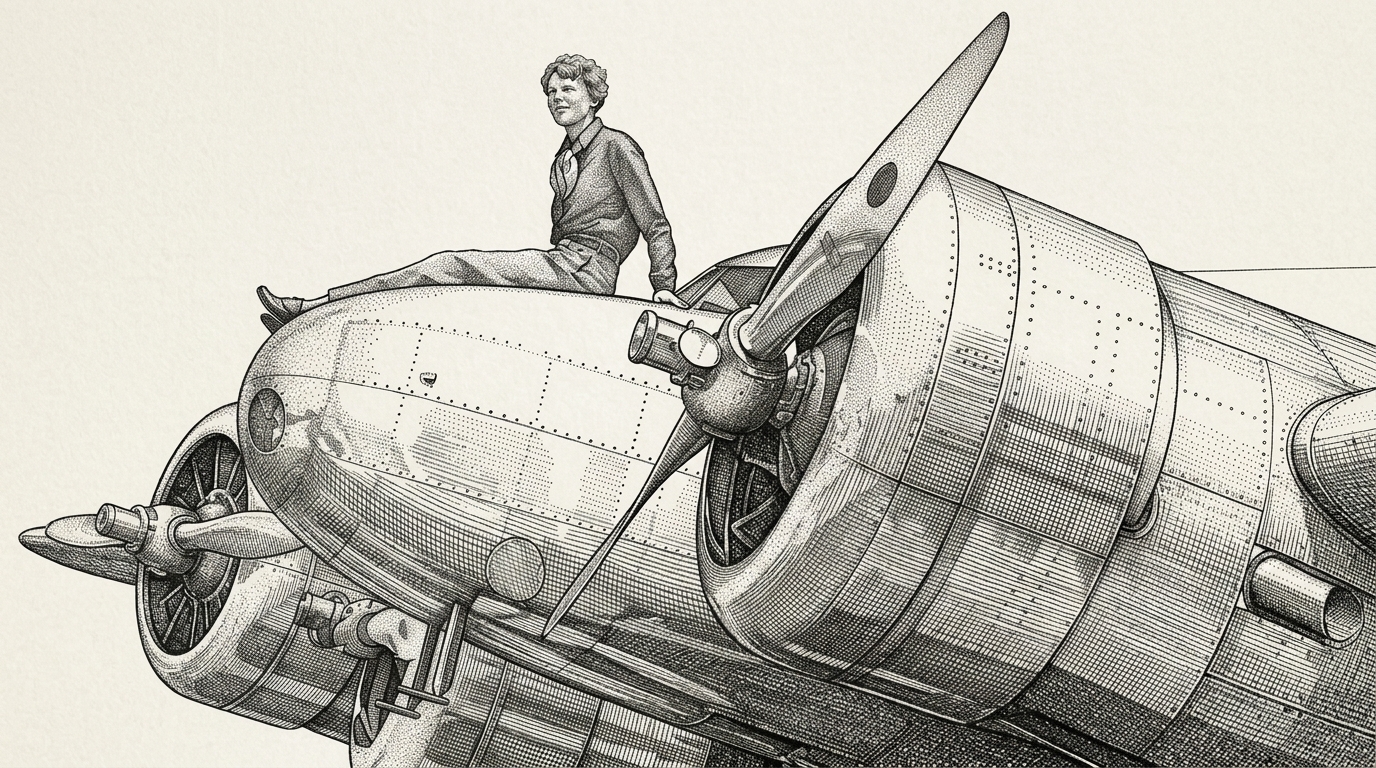
In November 1977, a Capuchin priest sat down with local elders on Saipan to record their vivid memories of an American woman living in Garapan in the late 1930s. The Stories the Island Kept explores why these deeply personal testimonies endure and how we honor human memory while waiting for a more tangible proof to resurface.
The stories the island kept
In November 1977, a Capuchin priest sat down with local elders on Saipan to record their vivid memories of an American woman living in Garapan in the late 1930s. The Stories the Island Kept explores why these deeply personal testimonies endure and how we honor human memory while waiting for a more tangible proof to resurface.
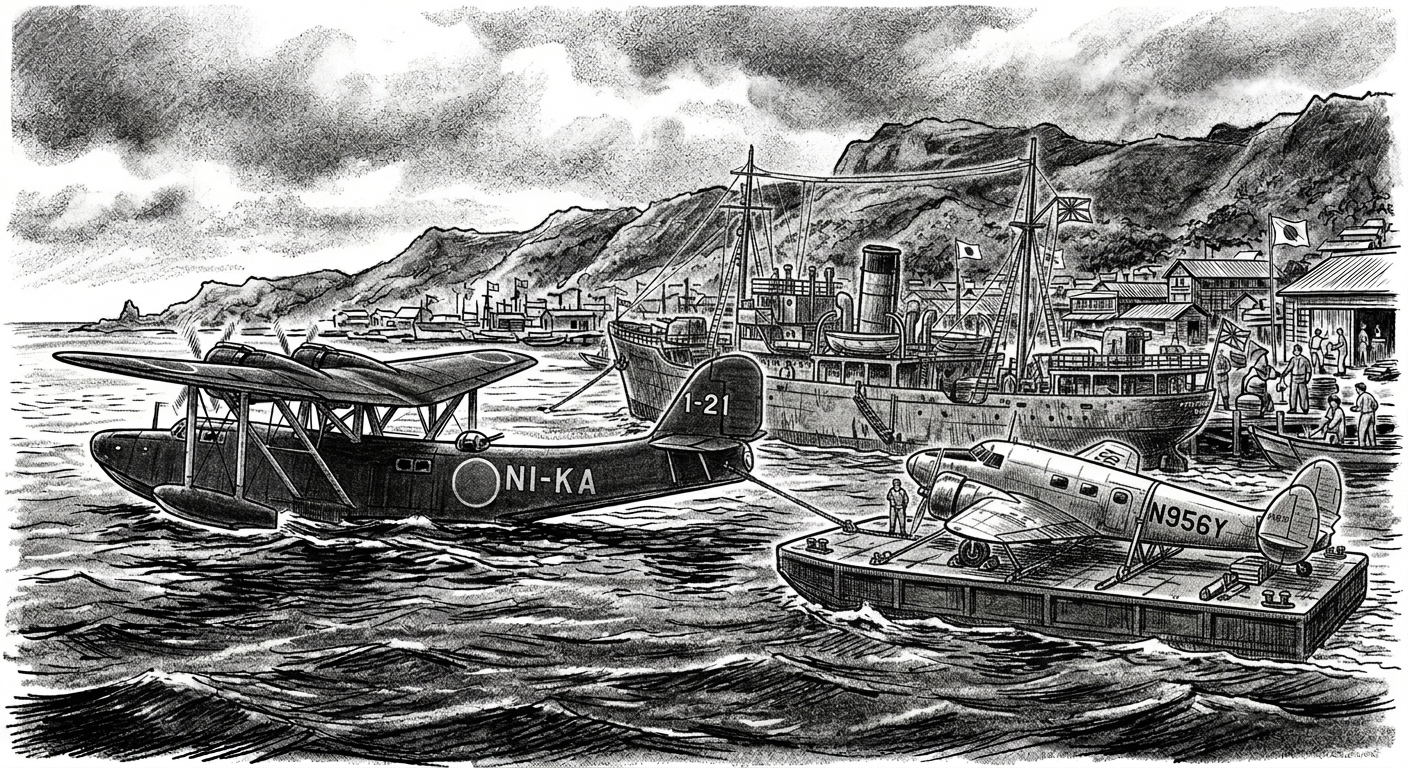
"She took my pencil; then she pointed out to me the islands that I should note on the map. Afterwards, she helped me with my geography homework."
Alexie Zotomayor has reported from the Northern Mariana Islands for more than 10 years. She writes this journal.
Something to add, or to correct?
Corrections, family names, a photograph you have been keeping — all of it is welcome. Every note is read.
Alexie reads every note herself. If you left an email, expect a reply within a week or two.