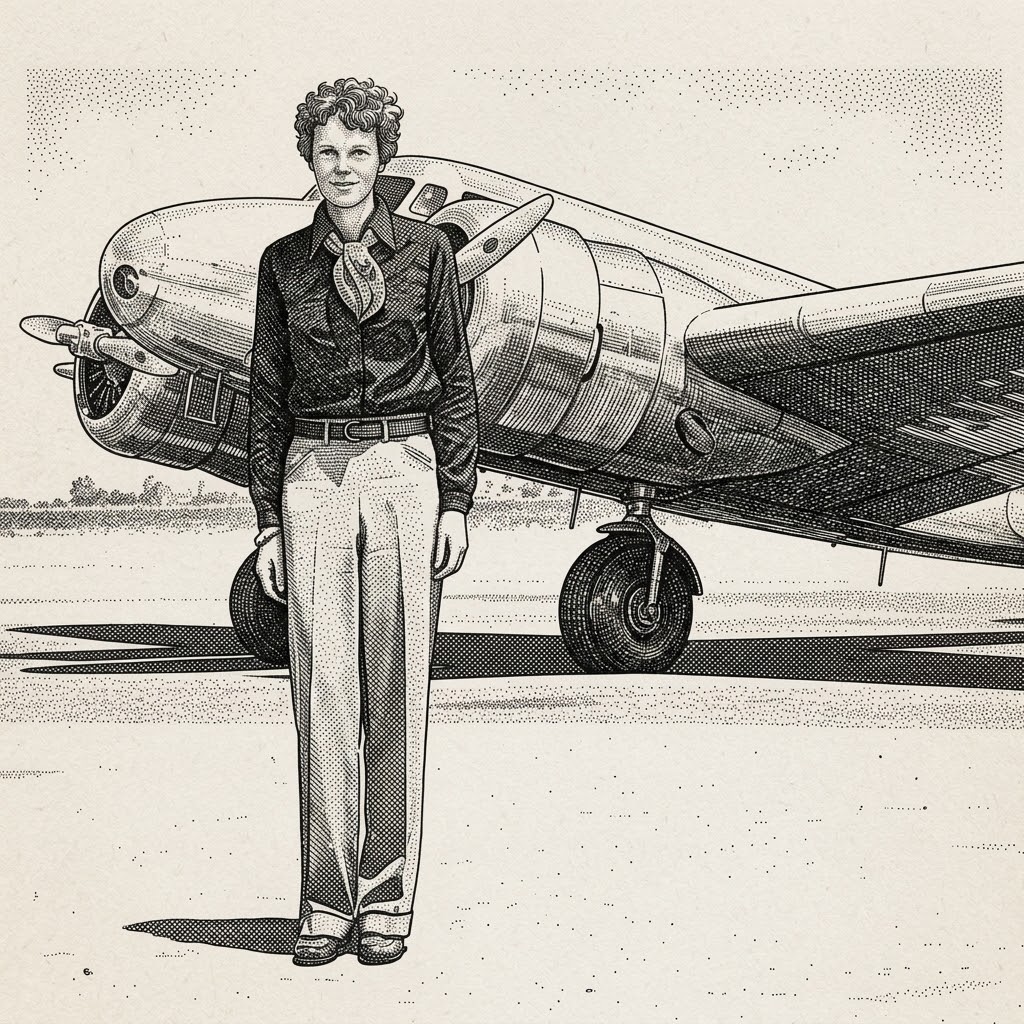

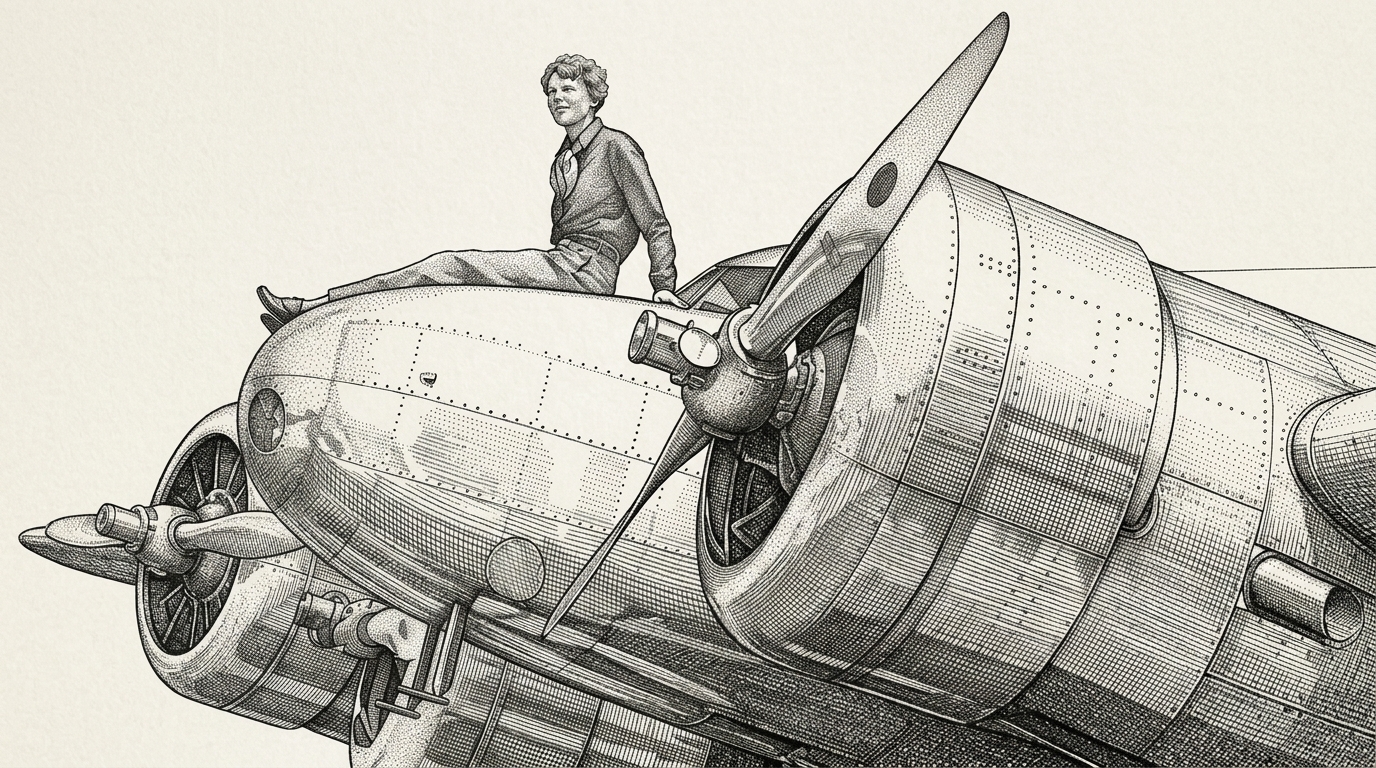
In the quiet afternoons on Saipan, where I lived and reported for years, history settles deeply into the soil. People hold tight to their histories. There is a quiet dignity in island memory, and I respect those traditions too much to dismiss them.
Yet my own mind always wanders out to sea. I remain hopelessly fascinated by the Amelia Earhart story.
That mystery may finally be reaching its end. A joint team from the Archaeological Legacy Institute and Purdue University—the very school that bought Earhart’s "flying laboratory" back in 1936—is heading for Nikumaroro. They are targeting the "Taraia Object." It is a dark, metallic shadow resting beneath lagoon sediment. Satellite images suggest it could be the mangled fuselage of her Lockheed Electra.
Science is a literal-minded business. It does not trade in sentiment. It wants what can be weighed and measured. Over the years, Nikumaroro has offered up tiny, tantalizing hints. A scatter of bones. Broken glass from a jar of freckle cream.
Still, hints are not proof.
I often wonder how this story closes. Will searchers haul up a single piece of stamped aluminum bearing a Lockheed factory code? Will we ever get the plain fact that ends eighty-nine years of guessing?
Maybe that moment comes when the ship casts off from Tarawa. Or maybe the Pacific simply keeps its secrets, the way oceans usually do with small metal planes and frail human bodies. I watch and wait with a quiet curiosity. I wonder if the final chapter gets written in my lifetime, or if Amelia stays right where she is—forever flying just out of reach.