Browse the archive
6 Colonial entries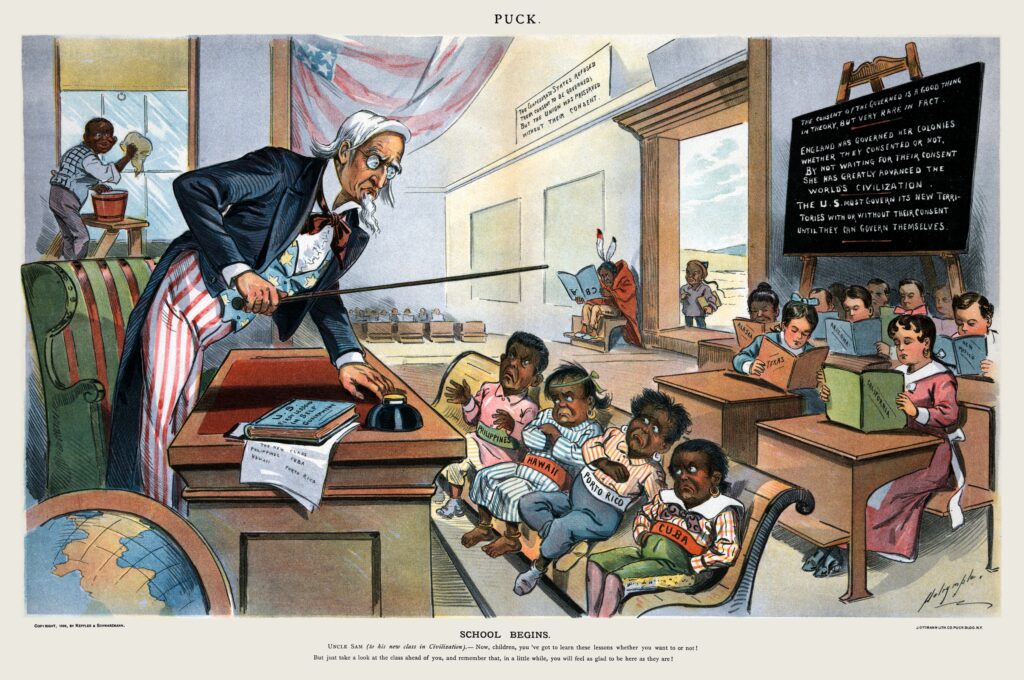
The Islands and the Flag
The Mariana Islands were one long before foreign flags ever flew over these waters. Years ago, while covering news on Saipan, I sat in a humid lecture hall as historian Don Farrell mapped out what it would take to bring them back together. His verdict was blunt: reunification would take a legal coup and a rare brand of political backbone.
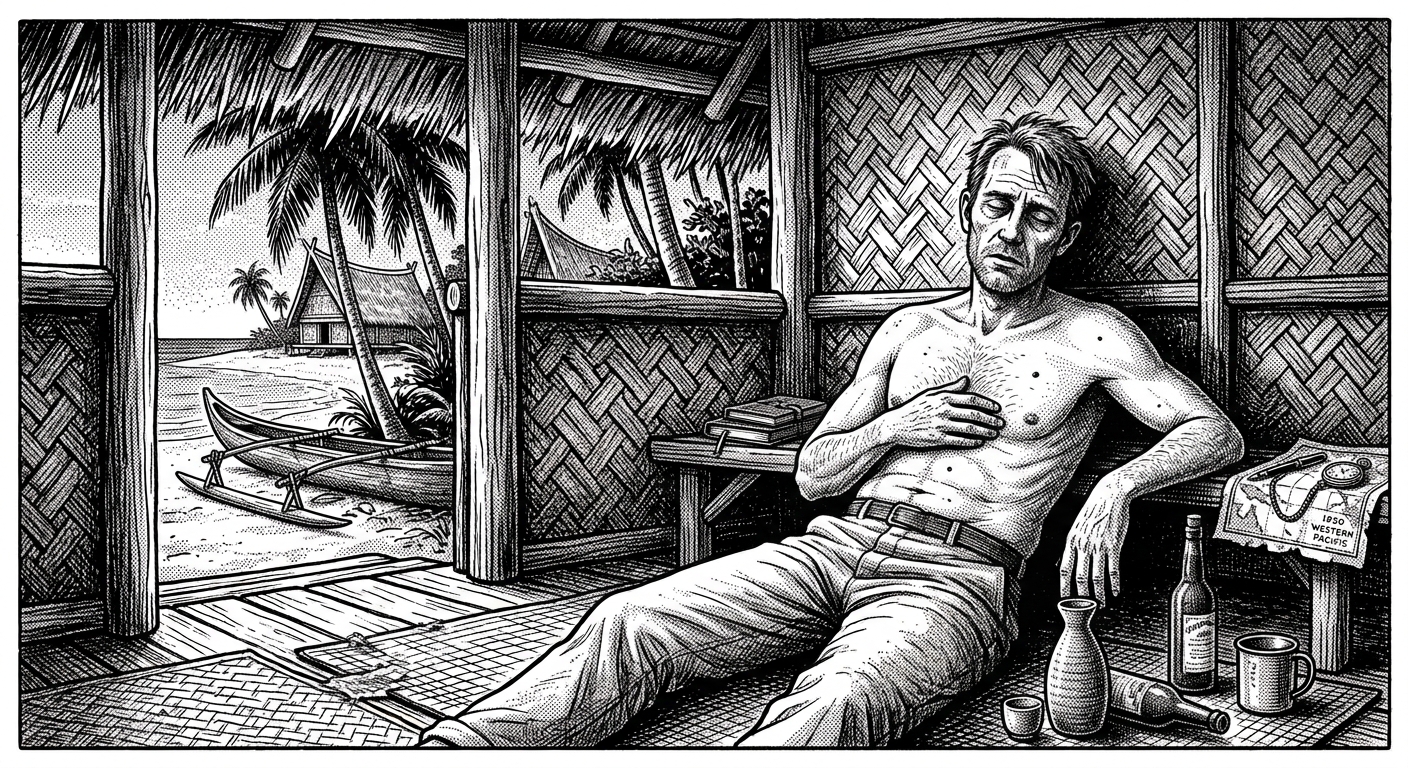
What Happened to Earl Ellis?
While reading Hans Hornbostel’s account of his 1920s trips to the Marianas in Philippine Magazine, a few details stood out: his work for the Bishop Museum, notes on latte stones, and the observation that a woman’s hyoid bone is usually smaller than a man's, and a eulogy for his friend, Earl.
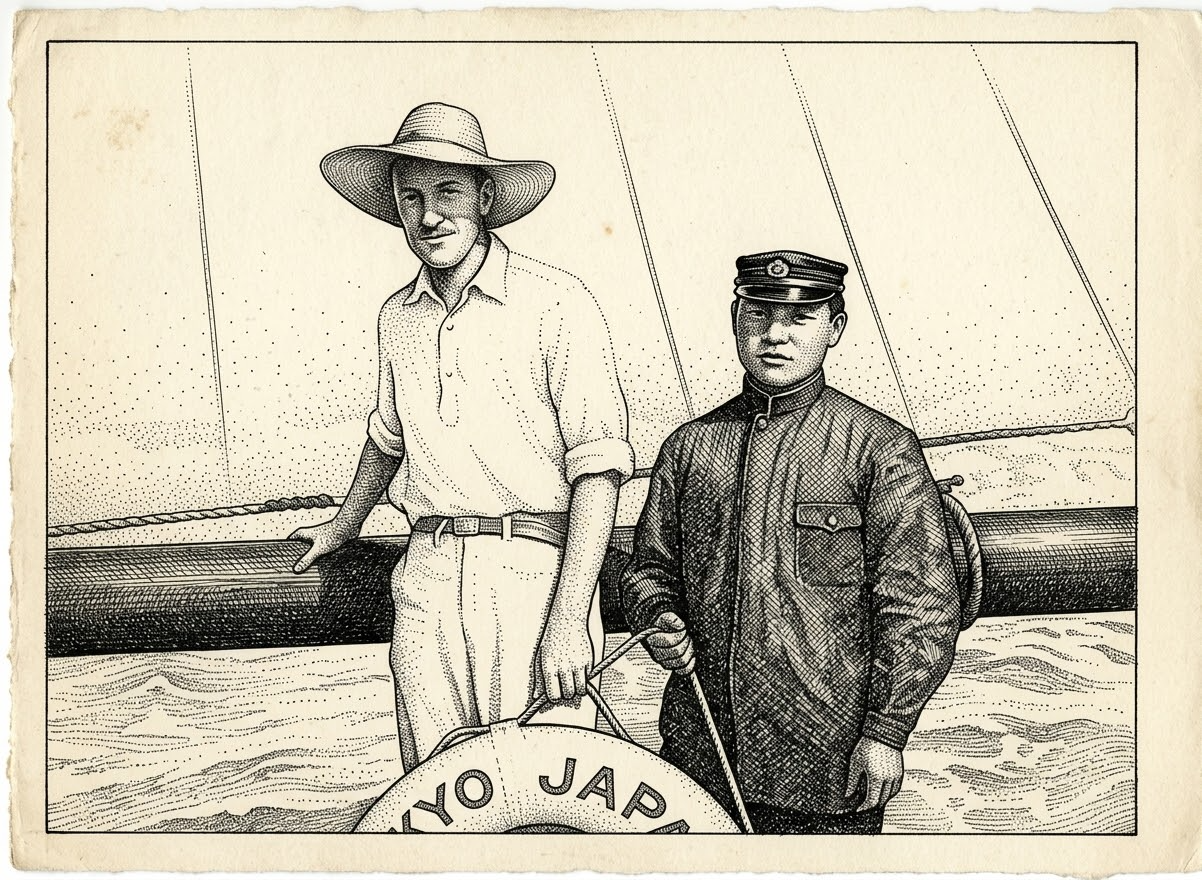
When an Archaeologist Became an Accidental Midwife
An island crossing has a way of staying with a person, especially when it takes two days longer than planned. Decades before Freedom Air or Star Marianas offered a smooth trip between the islands, the voyage felt like a life-or-death gamble, negotiating rough seas and unexpected drama en route.
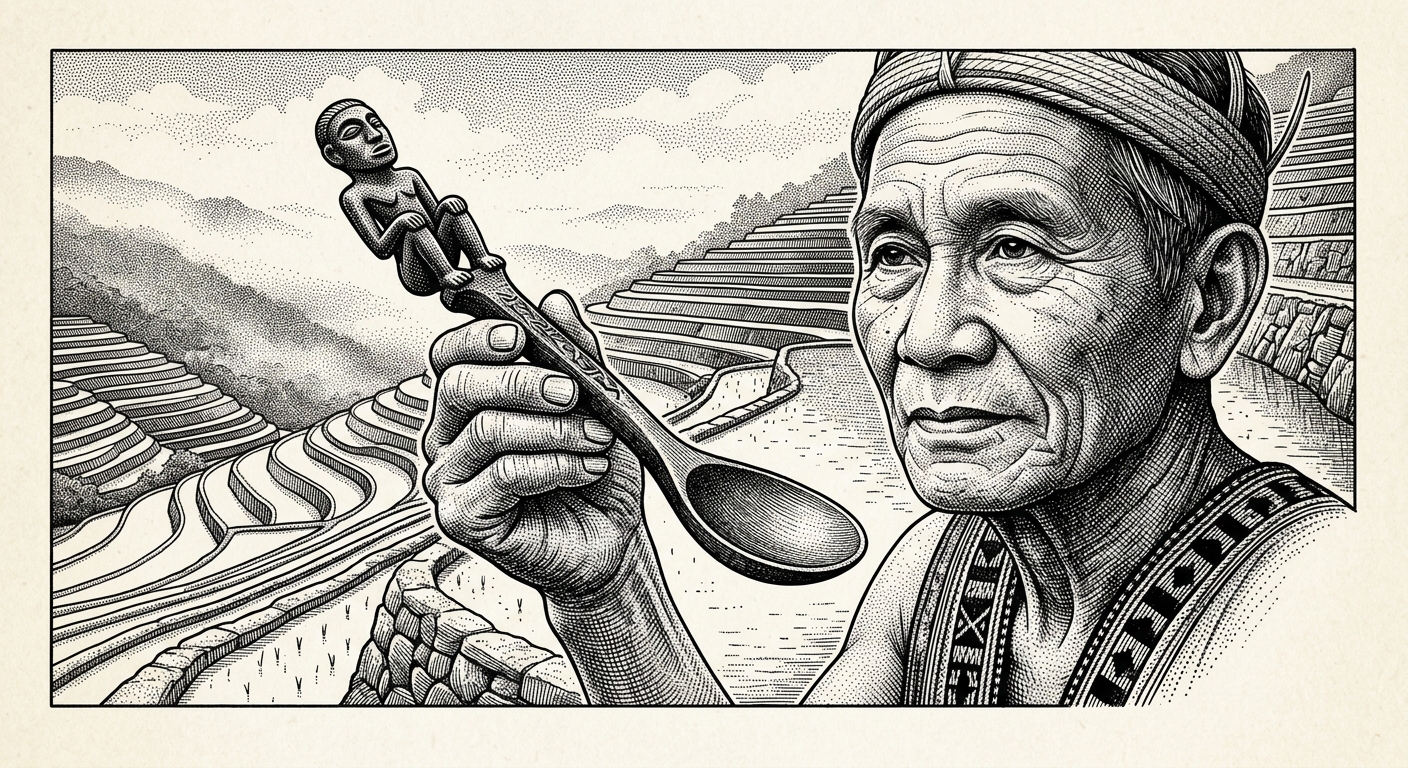
Past Preserved in Pakko
Long before they landed in museum cases, the wooden spoons of northern Luzon were simple, sacred tools of everyday life. In the Ifugao mountains, a pakko was an heirloom carved with the likeness of gods and kin—a quiet object built to feed the body and honor the past.
What Hans Hornbostel Hid
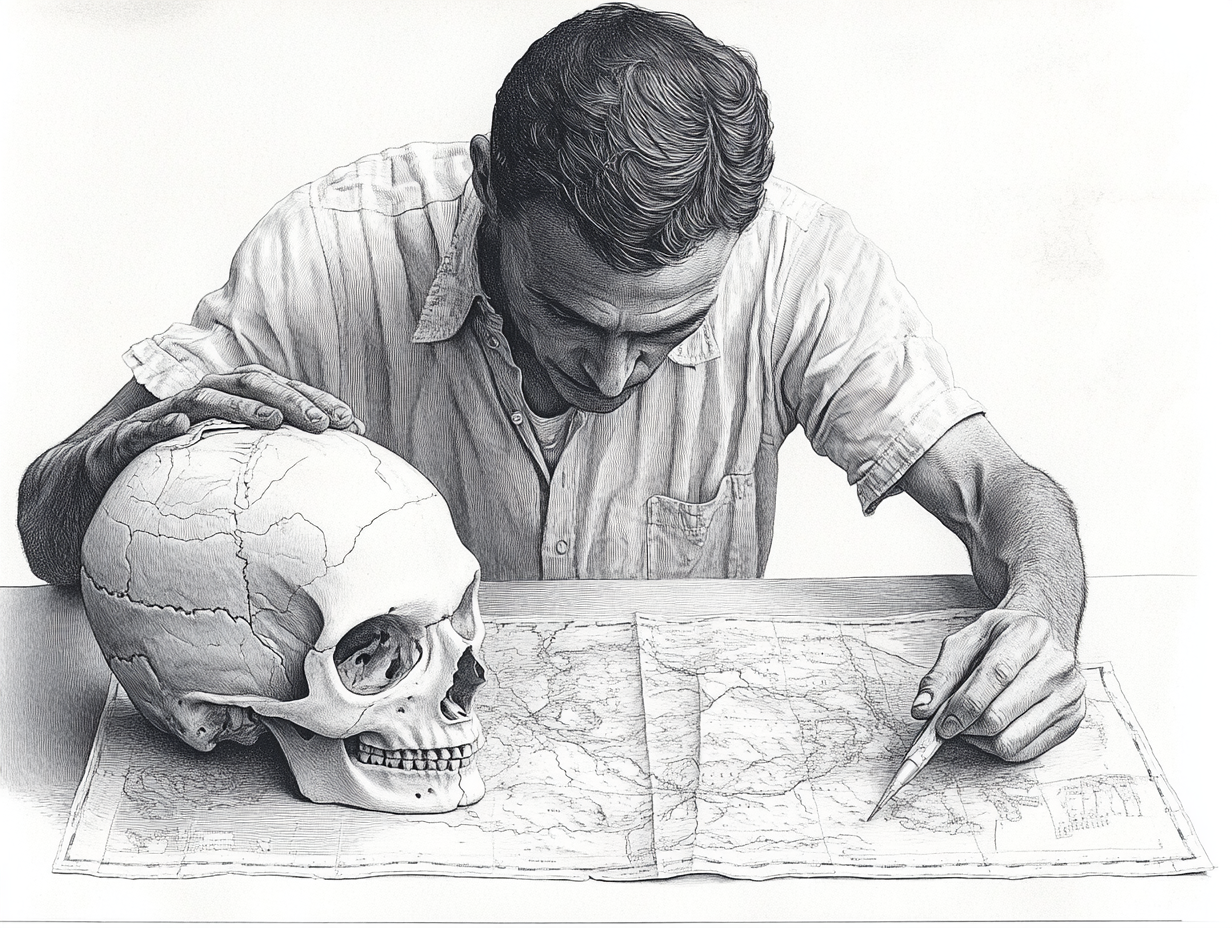
Leafing through 1930s issues of the Philippine Magazine, I found the field reports of Hans George Hornbostel. He was a Marine veteran collecting for Honolulu’s Bishop Museum. Between 1924 and 1926, he dug across Saipan, Tinian, and Rota. His survey of ancient latte stones was thorough. His survival tactics were wild. For two years, he dodged Japanese intelligence just to safeguard and exfiltrate his finds.
The stories the island kept
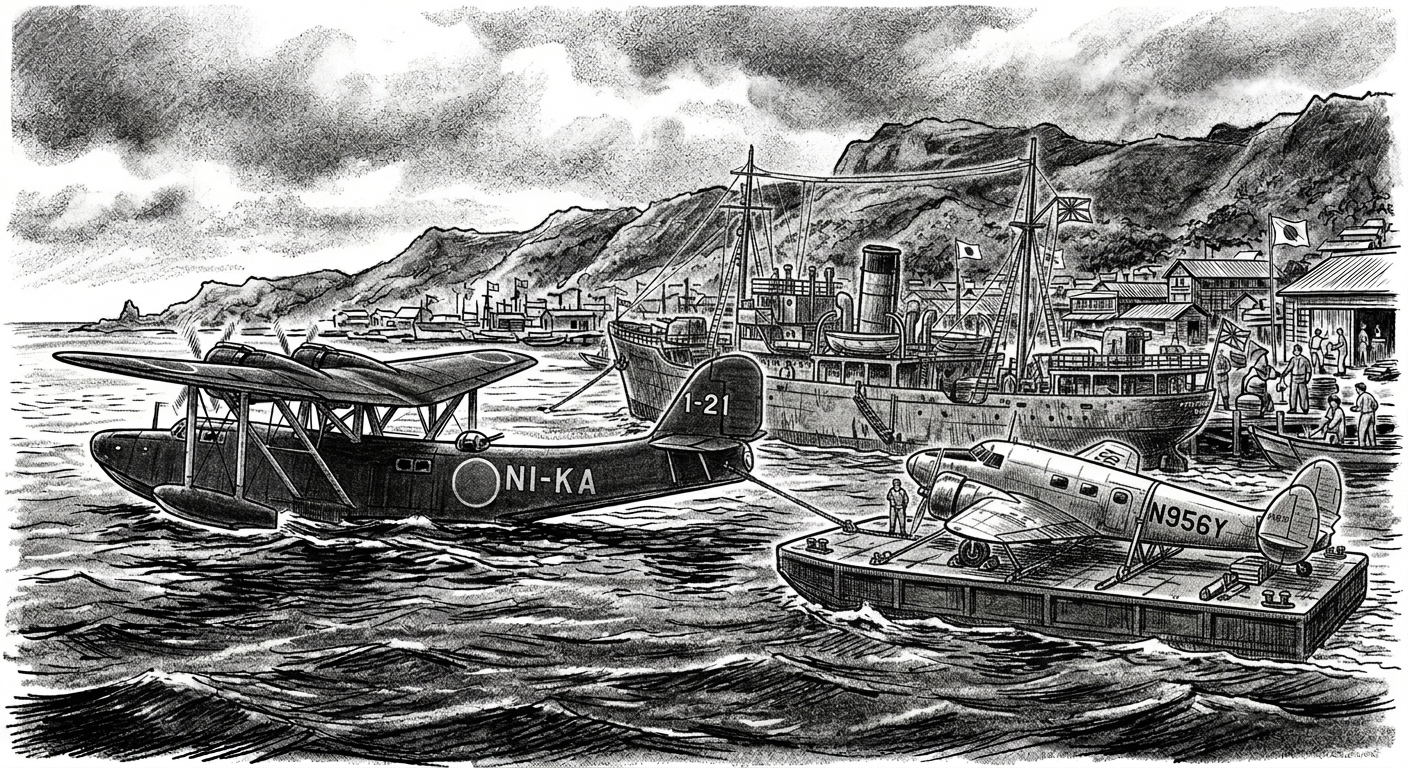
In November 1977, a Capuchin priest sat down with local elders on Saipan to record their vivid memories of an American woman living in Garapan in the late 1930s. The Stories the Island Kept explores why these deeply personal testimonies endure and how we honor human memory while waiting for a more tangible proof to resurface.