Browse the archive
16 entries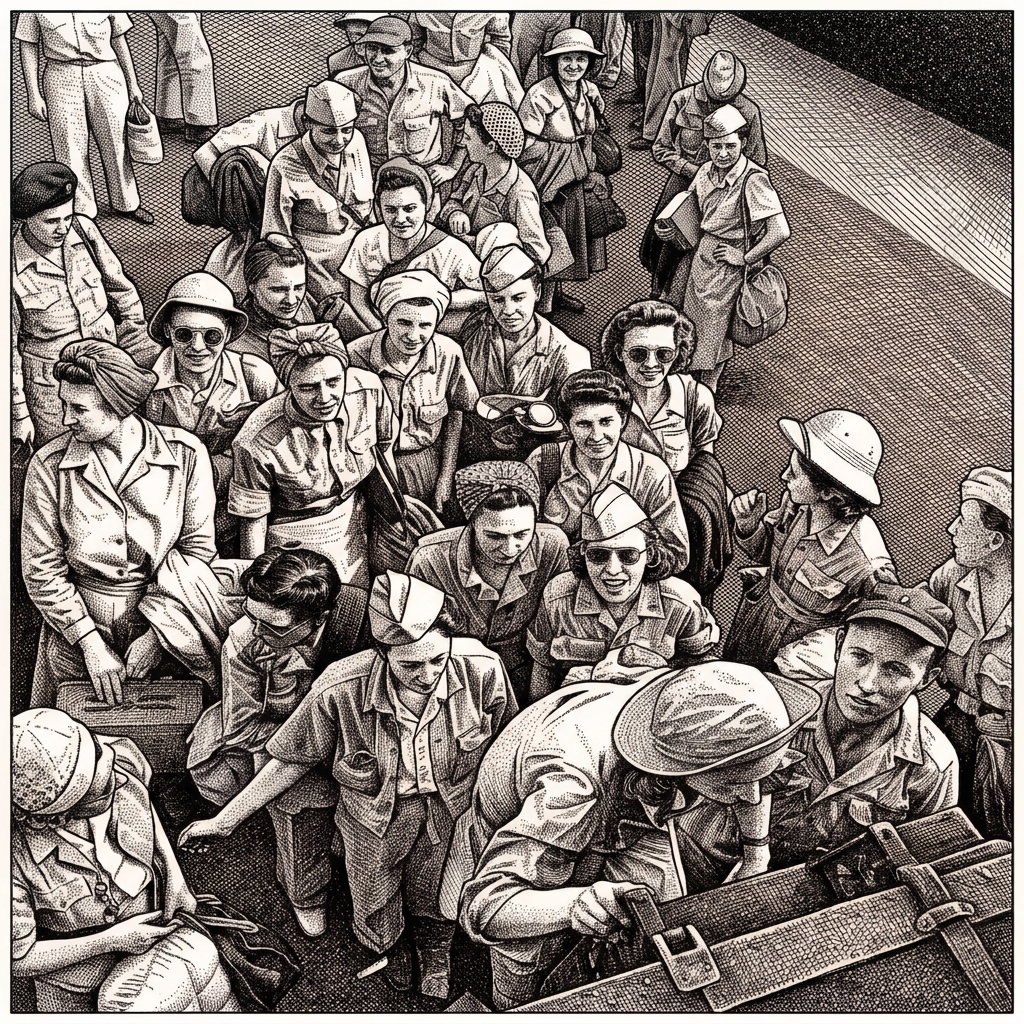
Lipstick and Shrapnel: A WWII Army Nurse Story
Ever since fifth grade, Sally Blaine had dreamed of the Philippines. When she joined the U.S. Army Nurse Corps in 1939, she repeatedly signed the overseas volunteer list at Letterman General Hospital until her name was finally drawn. By June 1941, she arrived at Fort Stotsenburg in Pampanga, where life moved at the gentle pace of a peacetime garrison. "At Stotsenburg, life was like a picnic," she recalled. "At six o’clock in the evening, all the women had to be in long dresses. Men had to be in white uniform—the formal attire."
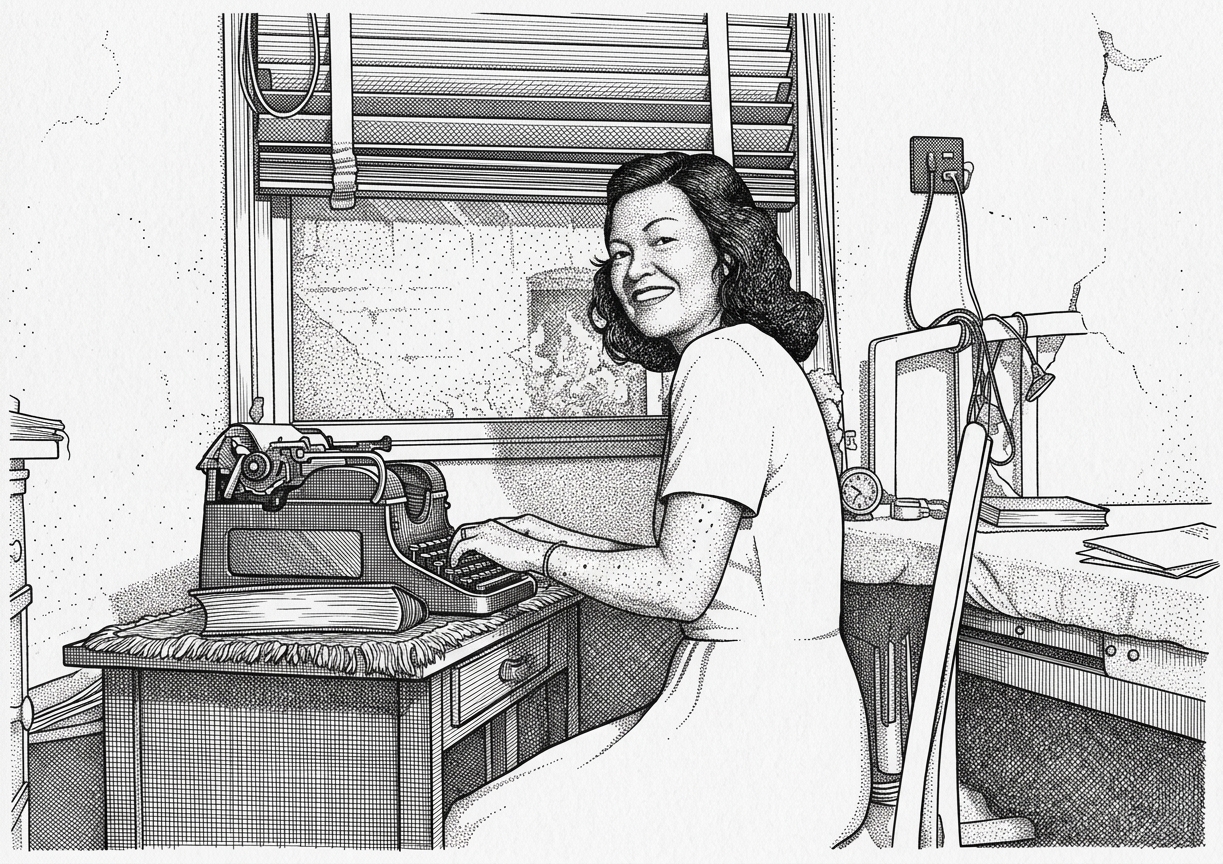
The Map on Her Back
When leprosy took Josefina Guerrero's health, it cost her everything else. Her husband left. She was separated from her young daughter. Society turned its back. Yet the very disease that made her an outcast soon became her greatest shield.
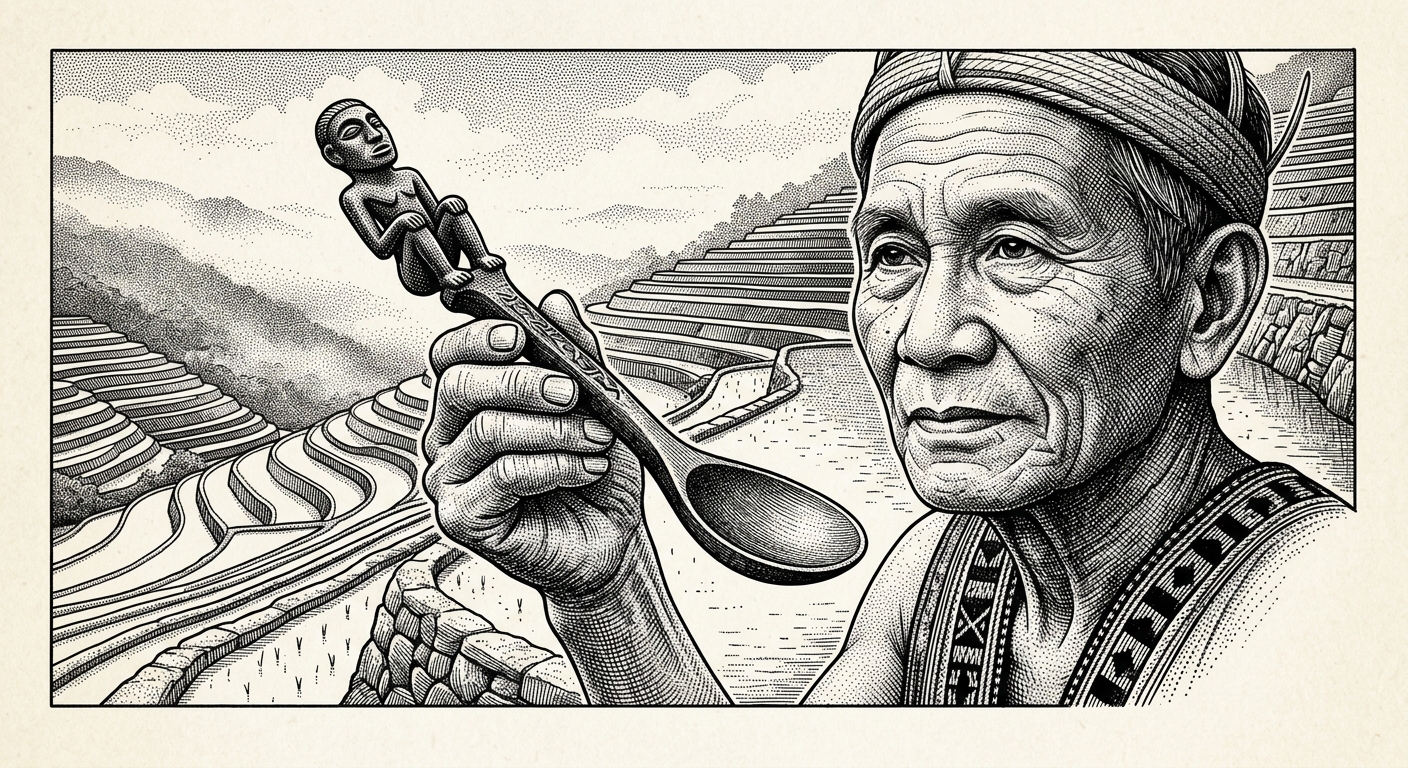
Past Preserved in Pakko
Long before they landed in museum cases, the wooden spoons of northern Luzon were simple, sacred tools of everyday life. In the Ifugao mountains, a pakko was an heirloom carved with the likeness of gods and kin—a quiet object built to feed the body and honor the past.
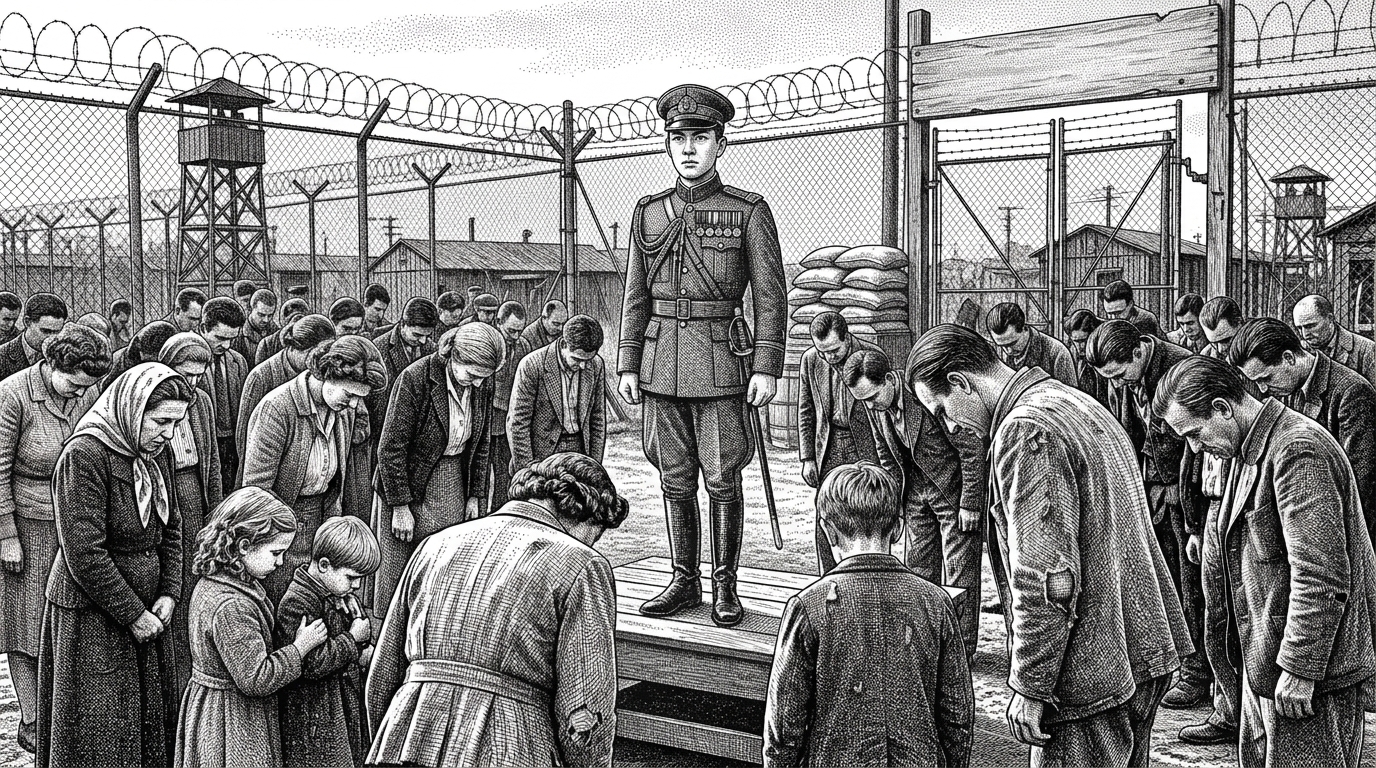
The Man Who Told Them Not to Smile
By looking the other way at small missteps, Rokuro Tomibe kept men and women alive who otherwise would have faced execution or torture.

When Life Gives You Calamansi
Watching "When Life Gives You Tangerines" is a risky proposition. You expect a gentle Korean drama about island life. Before the episode ends, you are staring at the ceiling, auditing your choices, and wondering why your story looks less like a sun-drenched grove and more like a backyard calamansi tree: small, thorny, and stubborn.
What Hans Hornbostel Hid
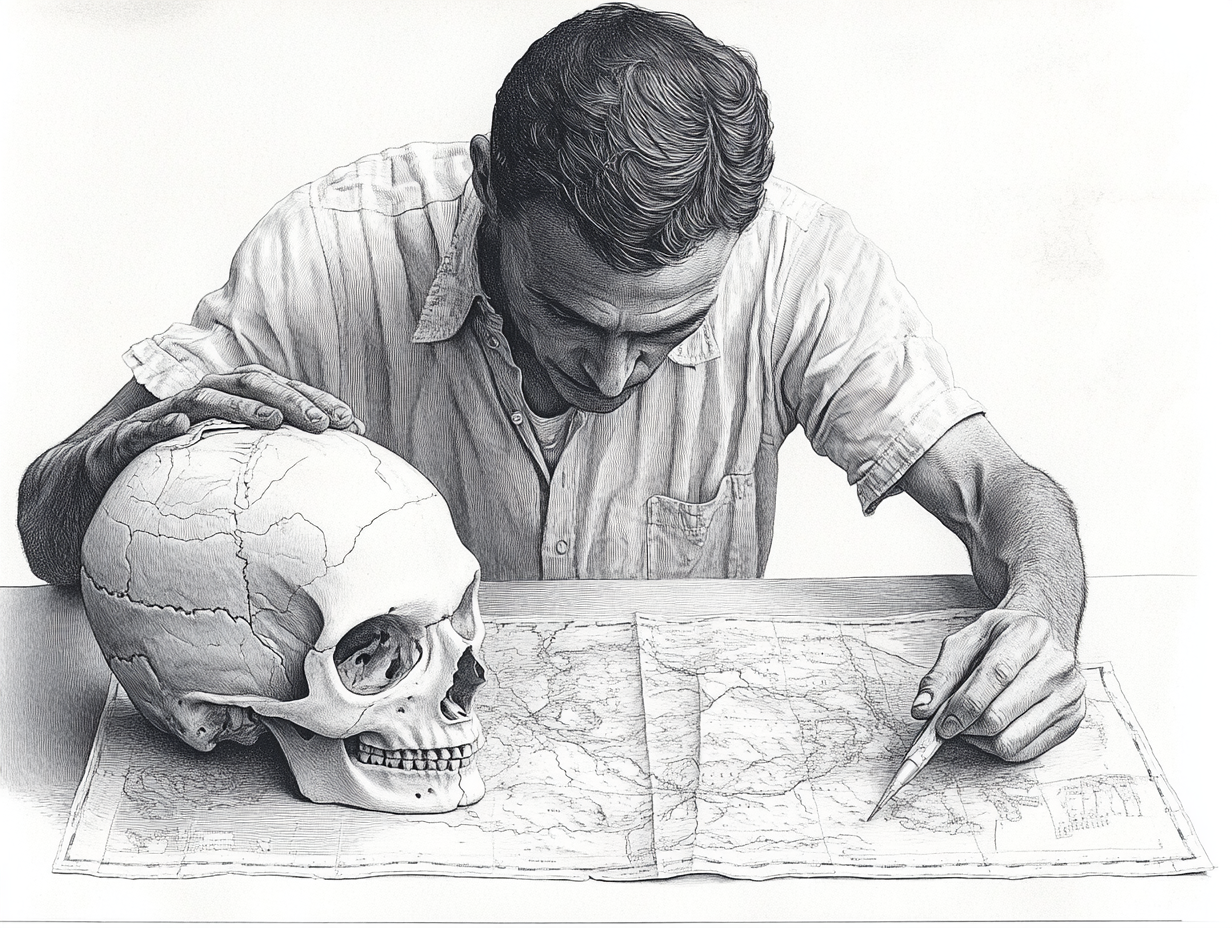
Leafing through 1930s issues of the Philippine Magazine, I found the field reports of Hans George Hornbostel. He was a Marine veteran collecting for Honolulu’s Bishop Museum. Between 1924 and 1926, he dug across Saipan, Tinian, and Rota. His survey of ancient latte stones was thorough. His survival tactics were wild. For two years, he dodged Japanese intelligence just to safeguard and exfiltrate his finds.